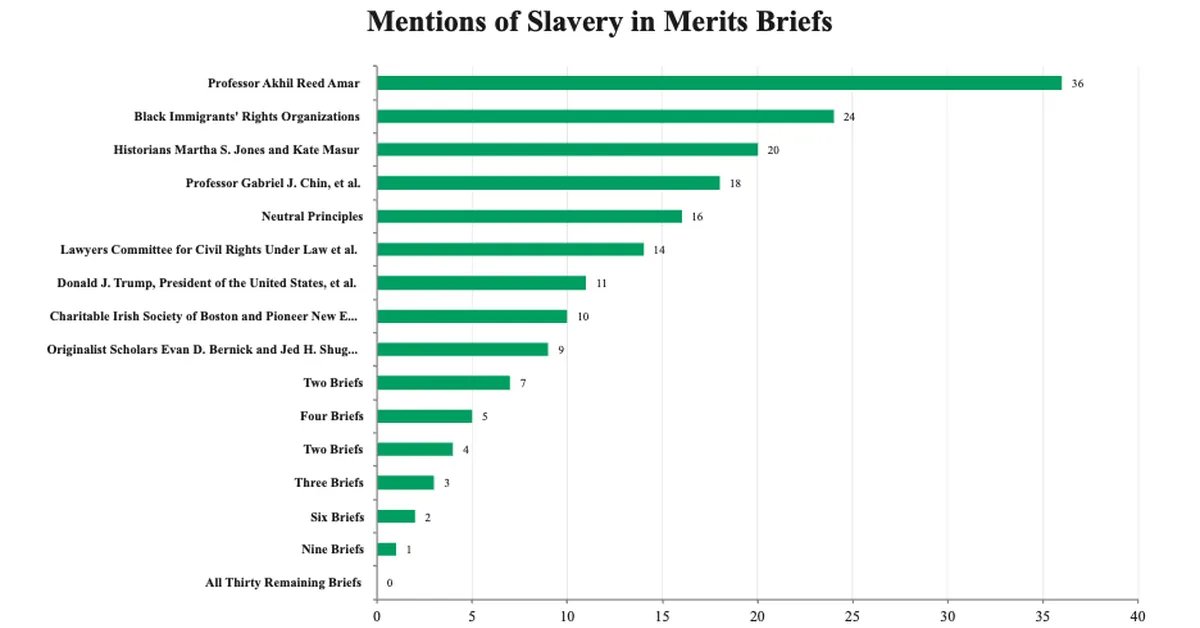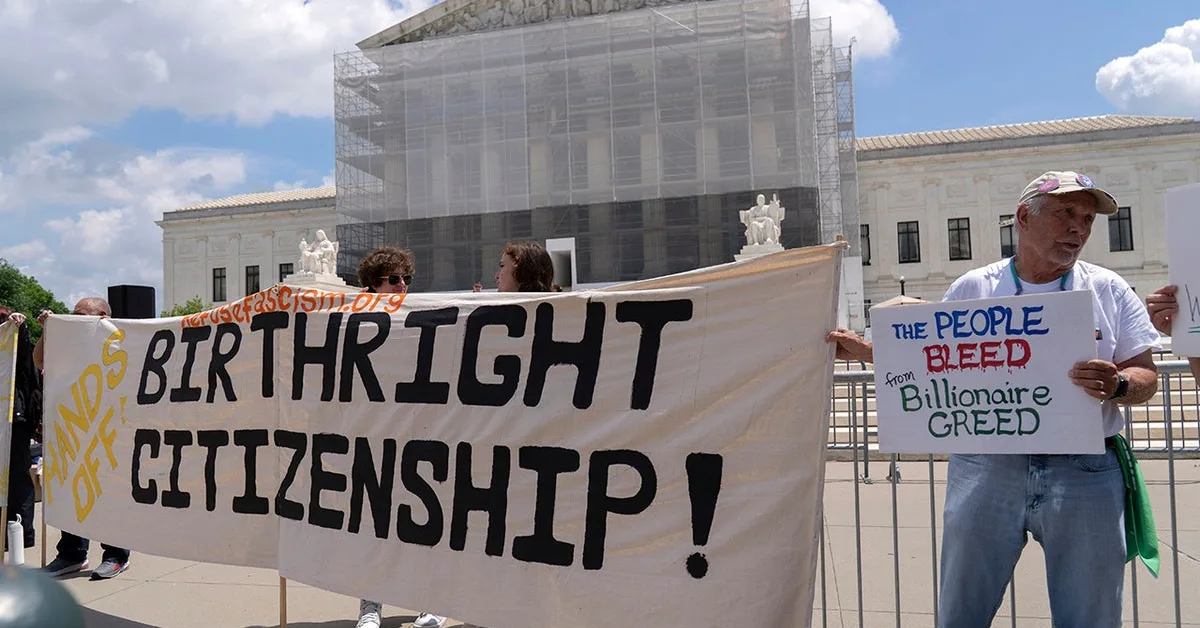
In their analysis of birthright citizenship in "Trump v. Hawaii," Akhil Reed Amar and Vikram David Amar argue that Sauer, Lash, and Neibart's reliance on post-Reconstruction-era cases and hereditary blood-based theories misinterpret the 14th Amendment. They contend these scholars overlook the amendment’s text, which does not mention “parent,” “parents,” or “blood.” The authors assert that birthright citizenship should be determined by soil (place of birth) and flag (sovereignty), not parentage or heredity, emphasizing the need for a faithful originalist interpretation.
Read the full article at SCOTUSblog
Want to create content about this topic? Use Nemati AI tools to generate articles, social posts, and more.
9
Comments
Ali NematiWritten by Ali