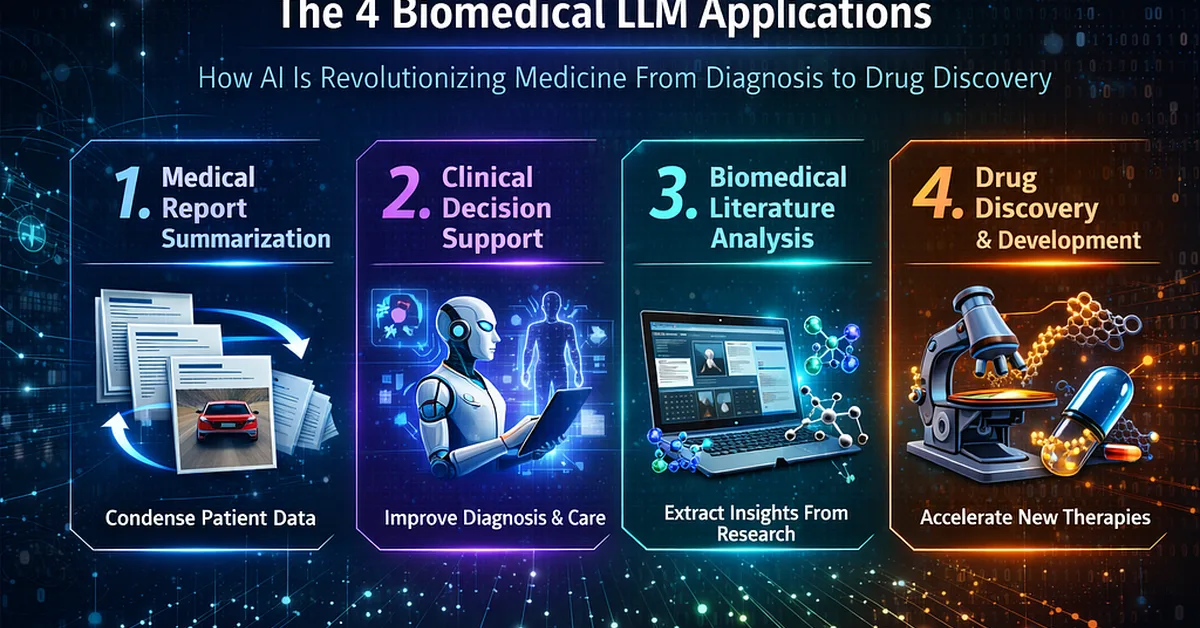
AI systems in clinical reasoning analyze patient symptoms and history to generate differential diagnoses, order appropriate tests based on Bayesian principles, recommend treatments, stratify risks, and plan follow-up care. For example, a 55-year-old male with chest pain is diagnosed with STEMI after ECG and troponin tests confirm acute myocardial infarction. The AI system then recommends immediate interventions like activating the cath lab and administering aspirin, ticagrelor, heparin, and morphine. It also provides long-term management strategies such as statins, beta-blockers, ACE inhibitors, smoking cessation programs, and cardiac rehabilitation. In complex cases involving rare diseases or multi-system involvement, AI can rapidly diagnose conditions like Behçet's disease or systemic lupus erythematosus (SLE) with high confidence based on specific criteria and test results, significantly reducing diagnostic delays compared to traditional methods.
Read the full article at Towards AI - Medium
Want to create content about this topic? Use Nemati AI tools to generate articles, social posts, and more.