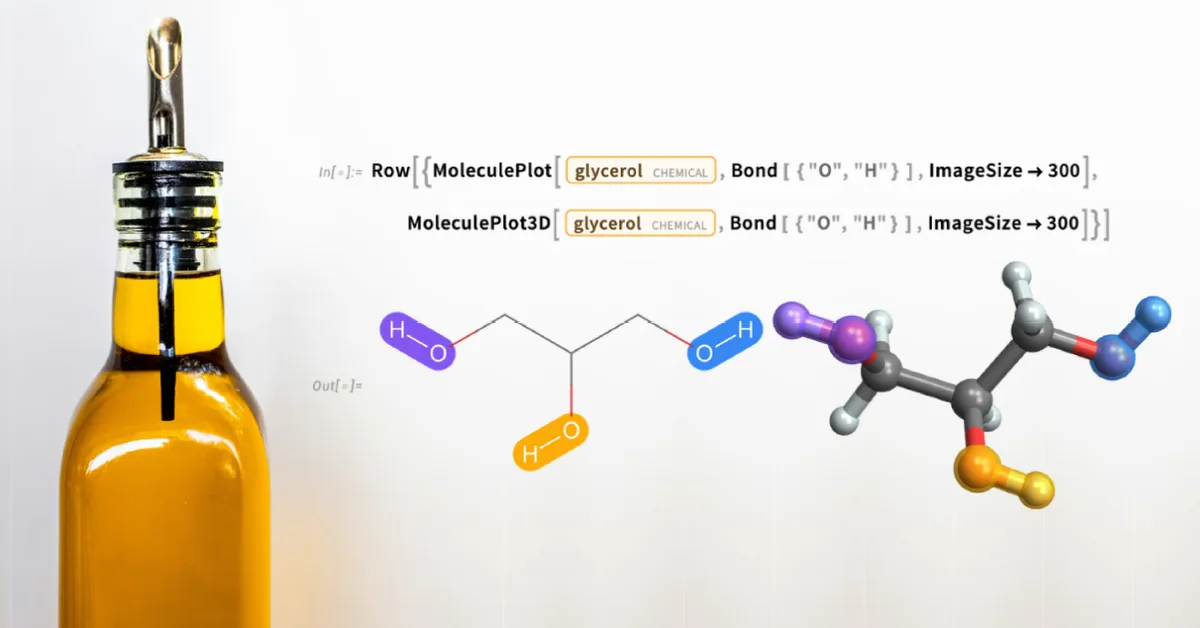
This article explores the chemistry behind smoke points of cooking fats and oils, focusing on how free fatty acids (FFAs) and their transformation into acrolein contribute to the visible smoke emitted when a fat reaches its smoke point. It highlights that refined oils have higher smoke points due to fewer FFAs compared to unrefined oils. The article also provides data from the Wolfram Data Repository for 20 cooking fats and oils, detailing their smoke points and saturated fatty acid content. Visualizations are used to compare these factors, emphasizing best practices for safe and flavorful cooking with hot oil.
Read the full article at Wolfram Blog
Want to create content about this topic? Use Nemati AI tools to generate articles, social posts, and more.