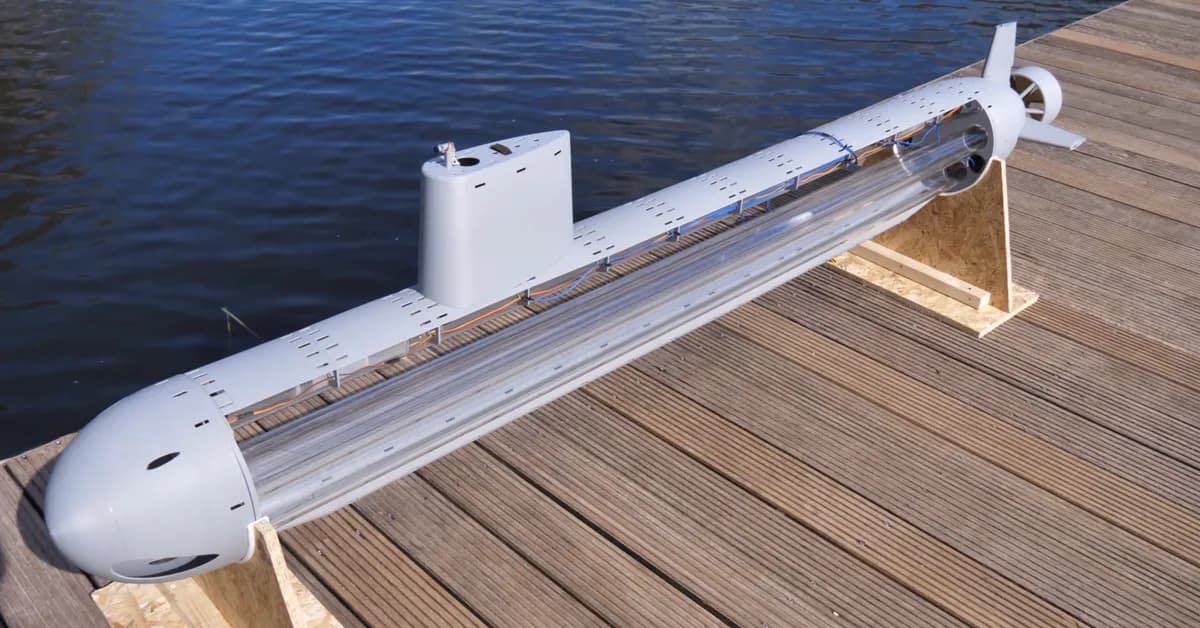
James's 2.7-meter-long remote-control submarine, which uses 3D-printed parts and syringes as ballast tanks, encountered a critical issue during testing when water infiltrated the infill of the 3D-printed components at depth, hindering its ability to resurface. This incident highlights the importance of rigorous waterproofing and material selection for underwater projects to ensure reliable operation in aquatic environments.
Read the full article at Hackaday
Want to create content about this topic? Use Nemati AI tools to generate articles, social posts, and more.
2

Ali NematiWritten by Ali
![[AINews] The Unreasonable Effectiveness of Closing the Loop](/_next/image?url=https%3A%2F%2Fmedia.nemati.ai%2Fmedia%2Fblog%2Fimages%2Farticles%2F600e22851bc7453b.webp&w=3840&q=75)