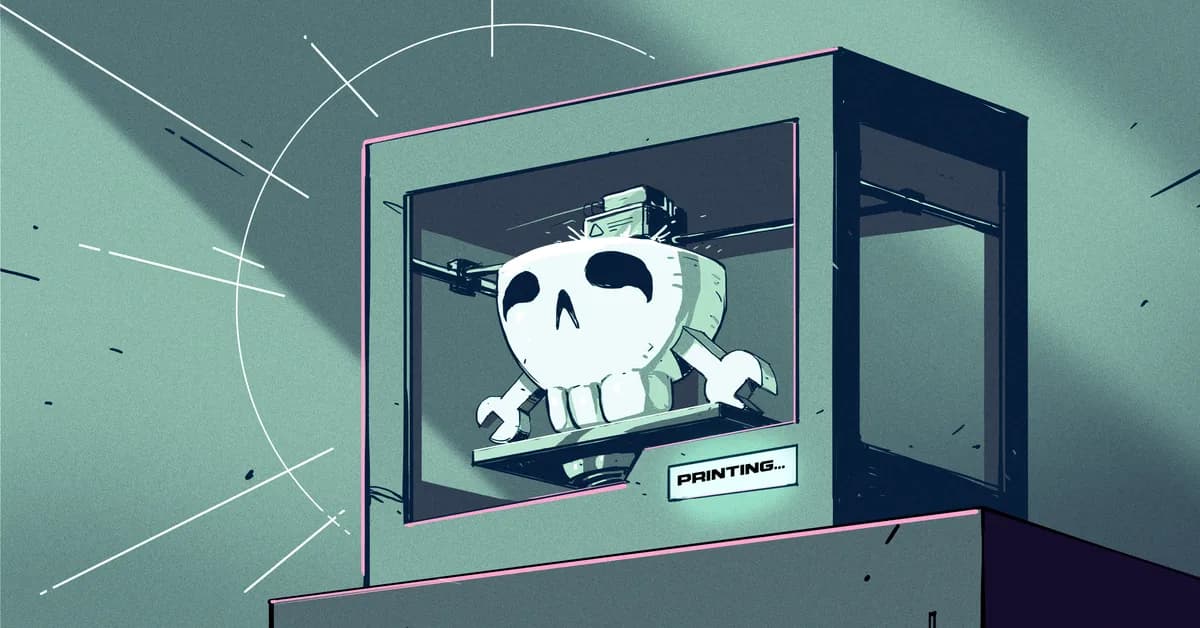
The article discusses the properties, degradation mechanisms, and storage considerations of PLA (Polylactic Acid) filament used in 3D printing. Here's a summary of key points:
Properties of PLA Filament
- Flexibility: PLA is naturally brittle but can be made more flexible through copolymerization with other materials like PCL (Poly(caprolactone)), PBAT (Poly(butylene adipate-co-butene terephthalate)), and PEG (Polyethylene glycol).
- Additives: Various additives are used to improve PLA's flexibility, including plasticizers such as lactic acid oligomers, epoxidized sunflower oil, and other vegetable oils.
Degradation Mechanisms
- Hydrolysis: The primary degradation mechanism that shortens the polymer chains over time.
- Crystallization: Occurs regardless of storage conditions. Vacuum-sealed samples show minimal degradation compared to those stored in zipper bags exposed to air.
Storage Considerations
- Vacuum Sealing: Storing PLA filament in vacuum-sealed bags significantly reduces degradation.
- Temperature and Humidity Control: Keeping the filament dry and at room temperature is crucial, but even under these conditions,
Read the full article at Hackaday
Want to create content about this topic? Use Nemati AI tools to generate articles, social posts, and more.
Views6
Tags
On this page

Ali NematiBlogUI.author_articles