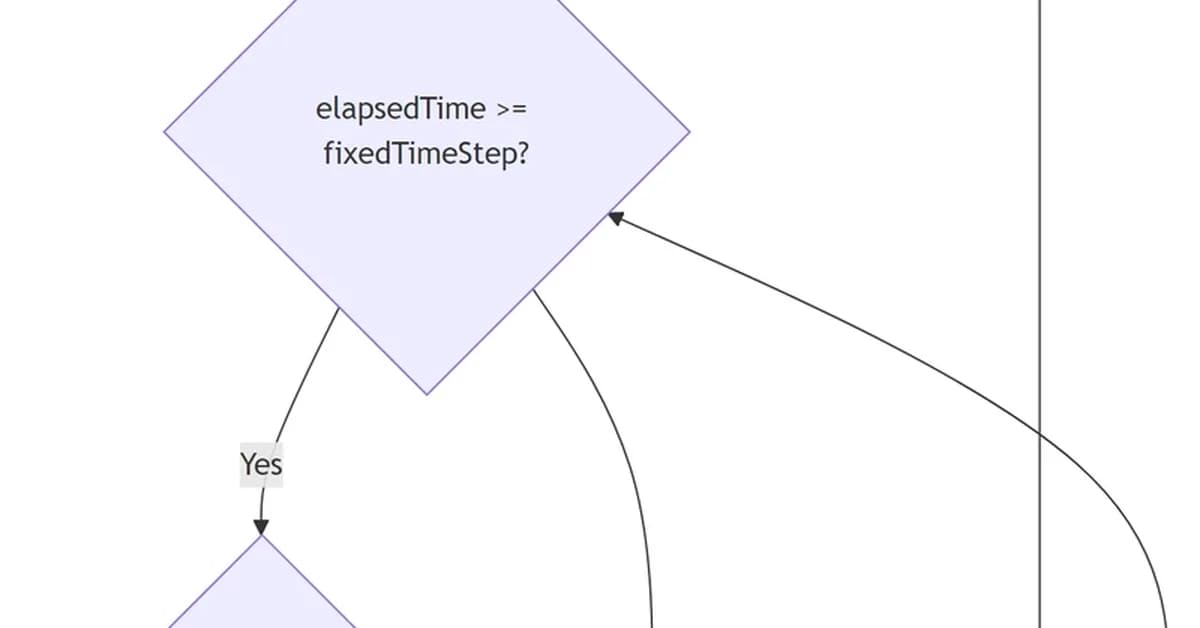
Based on the provided code snippets and descriptions, here's an overview of how the collision detection and food interaction work in this multiplayer snake game:
Collision Detection
-
Spatial Partitioning with Grid Cells:
- The game uses a grid-based spatial partitioning system to efficiently manage collisions between snakes.
- Each cell is 200 pixels wide, resulting in approximately 6400 cells on a 16k x 16k map.
- Snakes are assigned to the appropriate grid cell based on their position.
-
Grid Cell Iteration:
- For each snake, the game checks its own cell and neighboring cells (8 surrounding cells) for other snakes.
- This reduces the number of collision checks from O(n^2) to effectively O(n).
-
Head-to-Segment Collision Check:
- The head of one snake is checked against all segments of another snake.
- A simple distance check determines if there's a collision:
javascript
1dist = distance(snake.head, segment) 2if dist < collisionDist: 3 handleSnakeDeath(snake) collisionDistincludes both snakes' radii minus a small
Read the full article at DEV Community
Want to create content about this topic? Use Nemati AI tools to generate articles, social posts, and more.
Views299
On this page

Ali NematiBlogUI.author_articles