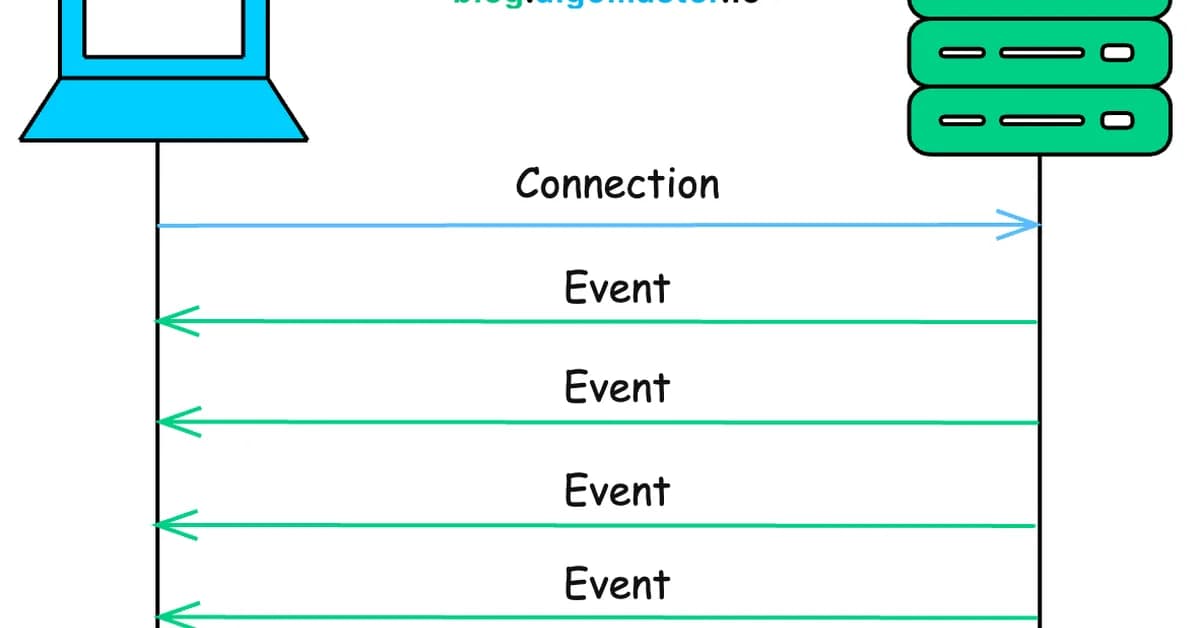
The project you've described, sse-edge-auth, is an interesting and innovative approach to managing state and caching in a distributed edge environment using Server-Sent Events (SSE) for coordination. Here's a summary of the key points along with some analysis:
Key Features
-
Server-Sent Events (SSE):
- The master server uses SSE to push updates to connected edges.
- Edges subscribe to these events and update their local SQLite databases accordingly.
-
Edge Caching:
- Each edge maintains an in-memory cache of responses from the origin server, tagged with metadata for invalidation.
- Cache entries are evicted based on a Least Recently Used (LRU) policy when the cache exceeds a predefined size.
-
Tag-Based Invalidation:
- Origin server tags responses with specific identifiers (
X-Cache-Tagsheader). - When content changes, the master sends an invalidation message to edges for specific tags.
- Edges drop entries from their local SQLite caches that match the invalidated tags.
- Origin server tags responses with specific identifiers (
-
Local Rule Enforcement and Self-Healing:
- Edges can enforce rules locally (e.g., auto-banning IPs after multiple authentication
Read the full article at DEV Community
Want to create content about this topic? Use Nemati AI tools to generate articles, social posts, and more.
4
Contents

Ali NematiWritten by Ali
![[AINews] The Unreasonable Effectiveness of Closing the Loop](/_next/image?url=https%3A%2F%2Fmedia.nemati.ai%2Fmedia%2Fblog%2Fimages%2Farticles%2F600e22851bc7453b.webp&w=3840&q=75)