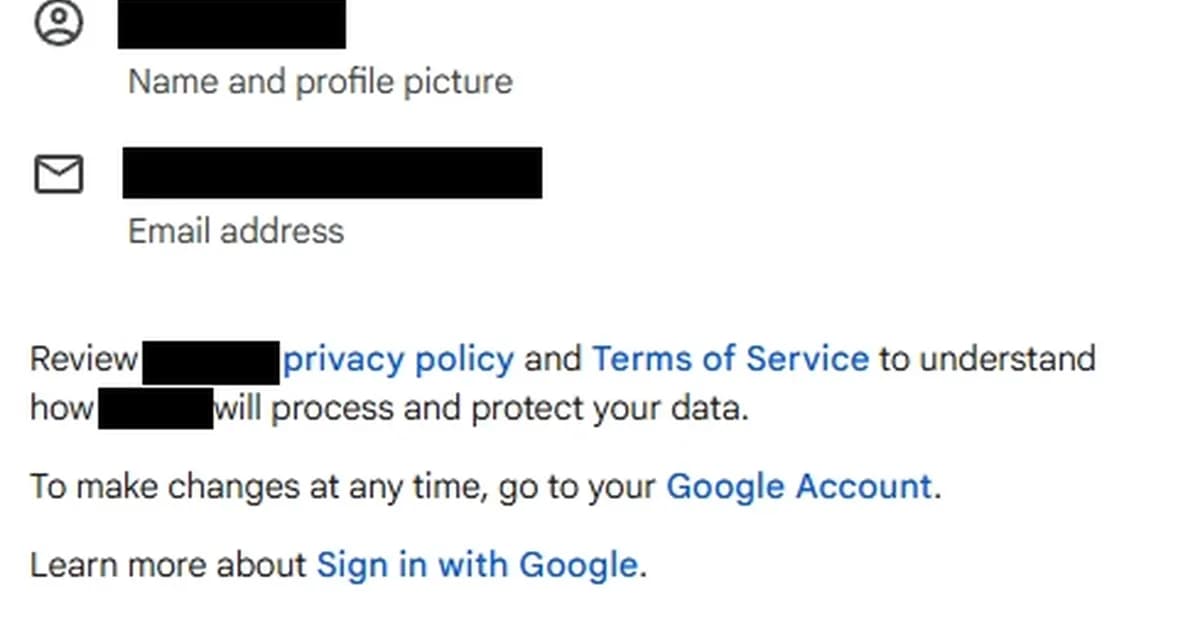
To implement a consent flow in an OAuth 2.0 authorization server, you need to ensure that the user is prompted for their consent before issuing an authorization code or access tokens. Here's how you can integrate this into your existing setup:
Step-by-Step Implementation
-
Update
parseAuthorizationRequestCallback:- This callback needs to parse the request and extract necessary parameters like client ID, scope, etc.
- Additionally, it should handle session cookies if present.
-
Update
generateAuthorizationCodeCallback:- If the user has already given consent (
user.consentStatus === "allow"), proceed with generating an authorization code. - If the user has denied consent (
user.consentStatus === "deny"), return a denial message. - If the user hasn't decided yet, prompt them for consent.
- If the user has already given consent (
-
Update
generateAccessTokenCallback:- Similar to
generateAuthorizationCode, check if the user has given consent before issuing an access token.
- Similar to
-
Handle Consent UI:
- When the user's consent status is undefined or needs confirmation, redirect the user to a consent screen.
- After the user confirms their choice (allow/d
Read the full article at DEV Community
Want to create content about this topic? Use Nemati AI tools to generate articles, social posts, and more.
2
Tags
Contents

Ali NematiWritten by Ali
![[AINews] The Unreasonable Effectiveness of Closing the Loop](/_next/image?url=https%3A%2F%2Fmedia.nemati.ai%2Fmedia%2Fblog%2Fimages%2Farticles%2F600e22851bc7453b.webp&w=3840&q=75)