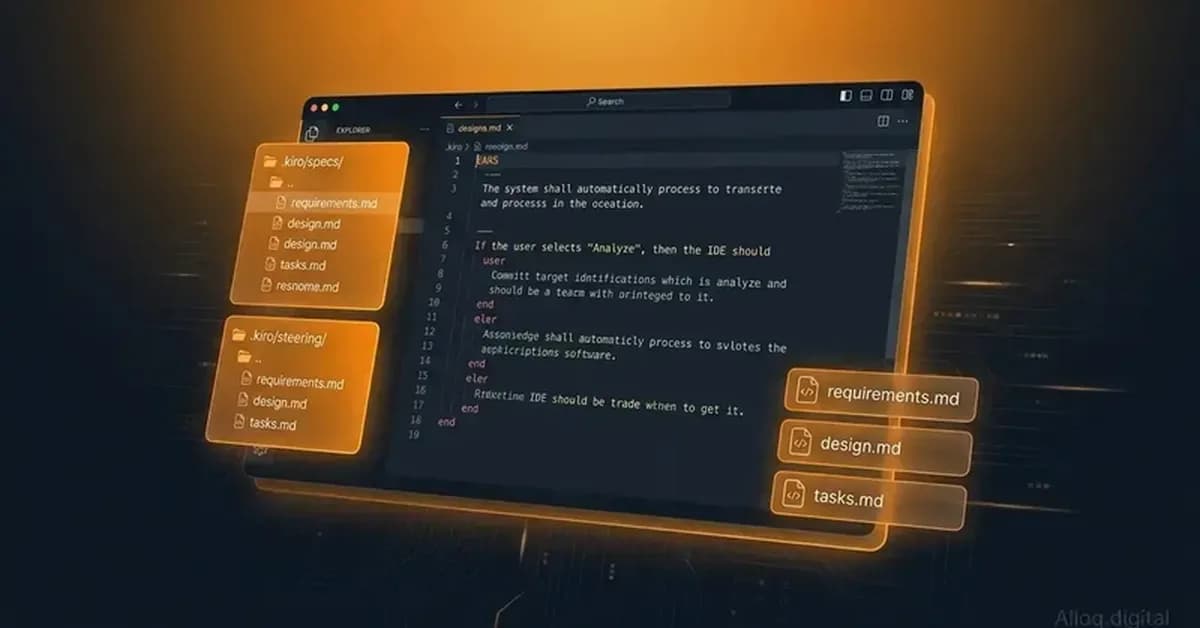
Based on the detailed comparison and analysis provided, here's a summarized breakdown of how Amazon Kiro, Cursor, and Claude Code differ in their approach to code generation and project management:
Key Differences
-
Specification Enforcement:
- Kiro: Enforces structured specification before any code generation can occur. This involves creating
requirements.md,design.md, andtasks.mdfiles that serve as a blueprint for the feature implementation. - Cursor: Offers optional structure but primarily focuses on rapid code generation without enforcing strict specification upfront. It provides features like autocomplete, refactoring, and documentation generation to speed up development.
- Claude Code: Provides chat-based interaction with VS Code integration but does not enforce structured specifications or project management tasks.
- Kiro: Enforces structured specification before any code generation can occur. This involves creating
-
Code Generation Workflow:
- Kiro: Follows a three-phase pipeline where the agent generates
requirements.md, thendesign.mdandtasks.md. The developer reviews and edits these files before code generation begins. - Cursor: Allows for immediate code generation based on user input, with features like auto-completion and refactoring to enhance productivity.
- Claude Code: Offers chat-based interaction where
- Kiro: Follows a three-phase pipeline where the agent generates
Read the full article at DEV Community
Want to create content about this topic? Use Nemati AI tools to generate articles, social posts, and more.
7
Tags
Contents

Ali NematiWritten by Ali
![[AINews] The Unreasonable Effectiveness of Closing the Loop](/_next/image?url=https%3A%2F%2Fmedia.nemati.ai%2Fmedia%2Fblog%2Fimages%2Farticles%2F600e22851bc7453b.webp&w=3840&q=75)