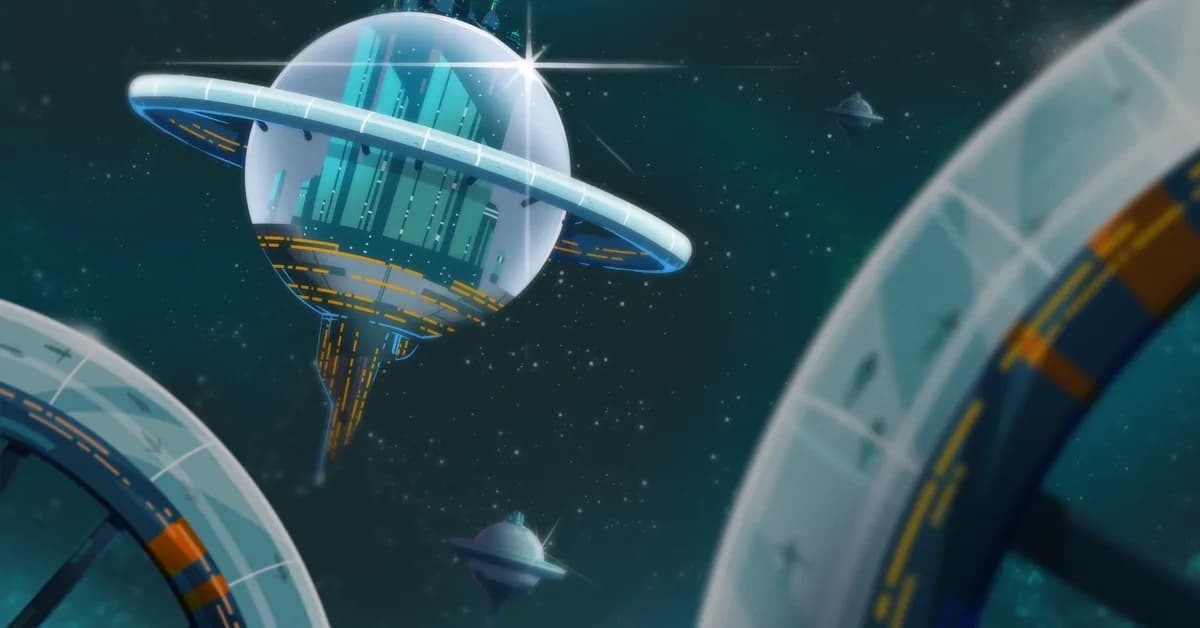
Edward Everett Hale's 1869 novel "The Brick Moon" is considered the first fictional artificial satellite and space station, predating actual rocketry by decades. Subsequent visionaries like Konstantin Tsiolkovsky and Hermann Noordung further developed concepts of rotating space stations to simulate gravity, influencing later designs such as Wernher von Braun's wheel-shaped stations.
This historical context highlights the enduring influence of early science fiction on modern space exploration and architecture, guiding expectations despite practical limitations.
Read the full article at Hackaday
Want to create content about this topic? Use Nemati AI tools to generate articles, social posts, and more.
Views5

Ali NematiBlogUI.author_articles