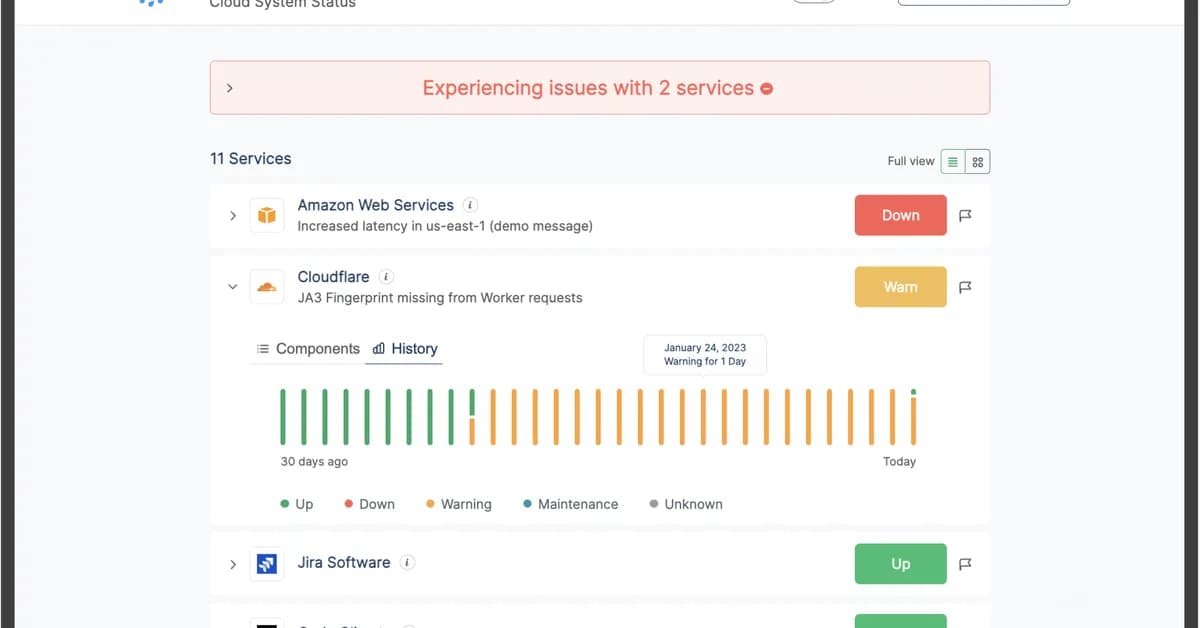
The article discusses the importance of implementing a strategic approach to system monitoring when resources are limited, particularly during the early stages of product development. The author emphasizes that comprehensive real-time monitoring is impractical at this stage due to resource constraints but argues that targeted monitoring can provide critical insights and maintain business continuity.
Key Points:
-
Revenue-Centric Monitoring:
- Start by focusing on revenue-related events such as Stripe webhooks, payment failures, and Shopify order silences.
- These are the most crucial aspects of your system because they directly impact your bottom line.
-
Business Health Indicators:
- Implement monitoring for user signup silence to ensure that new users are engaging with your product.
- Monitor server uptime/down time to detect any critical infrastructure issues promptly.
- Include at least one heartbeat from a crucial cron job to verify the regular execution of essential background tasks.
-
Operational Monitoring:
- Track API error rates to catch and address performance bottlenecks or service disruptions.
- Implement monitoring for GitHub CI/CD failures to ensure that your development pipeline remains functional.
- Extend the coverage to include additional cron jobs as necessary.
-
AI and Automation Oversight:
- Monitor
Read the full article at DEV Community
Want to create content about this topic? Use Nemati AI tools to generate articles, social posts, and more.
2
Contents

Ali NematiWritten by Ali
![[AINews] The Unreasonable Effectiveness of Closing the Loop](/_next/image?url=https%3A%2F%2Fmedia.nemati.ai%2Fmedia%2Fblog%2Fimages%2Farticles%2F600e22851bc7453b.webp&w=3840&q=75)