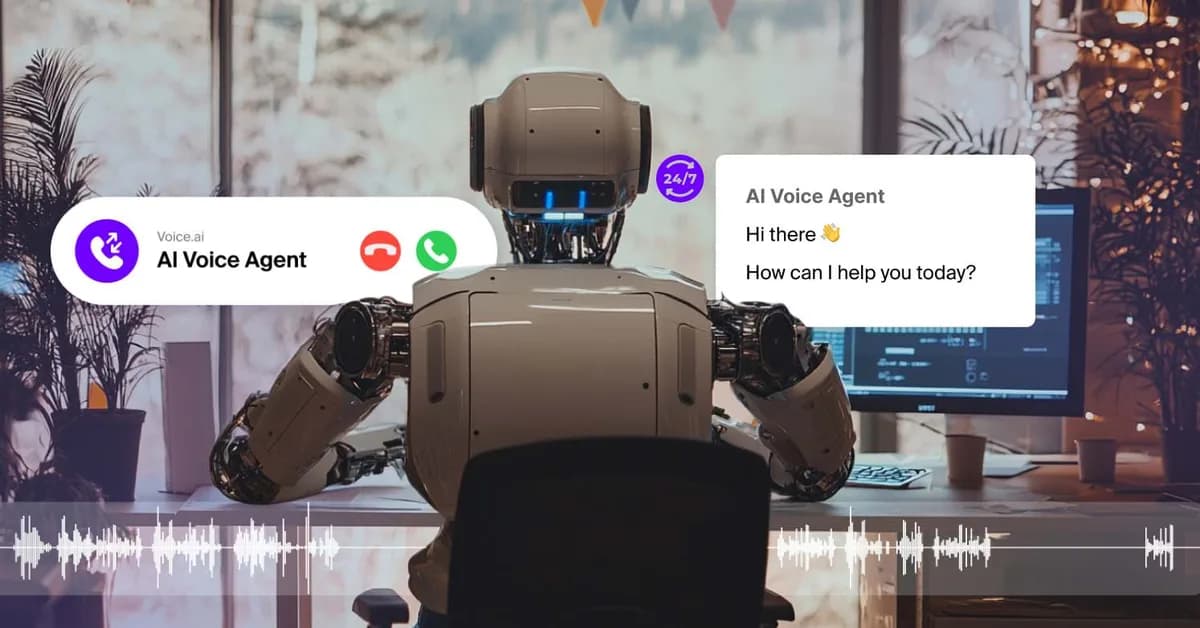
It sounds like you've designed a sophisticated system for handling user requests in a conversational AI setting, integrating speech-to-text, intent classification, and task execution. Let's break down the key components of your architecture:
1. Speech Recognition (Stage 1)
- Purpose: Convert spoken commands into text.
- Implementation:
- Uses
SpeechRecognitionlibrary to capture audio input from a microphone or file. - Configures Google Web Speech API for real-time transcription, handling various audio formats and quality settings.
- Uses
2. Intent Classification (Stage 2)
- Purpose: Determine the user's intent based on the transcribed text.
- Implementation:
- Uses Groq AI’s LLaMA model to classify intents into predefined categories (
create_file,write_code, etc.). - Injects session history as context to improve accuracy in ambiguous cases.
- Ensures deterministic classification by setting a low temperature value.
- Uses Groq AI’s LLaMA model to classify intents into predefined categories (
3. Tool Execution (Stage 3)
- Purpose: Execute tasks based on the classified intent.
- Implementation:
- Dispatches requests to specific handlers based on the primary intent.
- Handlers are designed to be asynchronous for efficiency and scalability
Read the full article at DEV Community
Want to create content about this topic? Use Nemati AI tools to generate articles, social posts, and more.
4
Contents

Ali NematiWritten by Ali
![[AINews] The Unreasonable Effectiveness of Closing the Loop](/_next/image?url=https%3A%2F%2Fmedia.nemati.ai%2Fmedia%2Fblog%2Fimages%2Farticles%2F600e22851bc7453b.webp&w=3840&q=75)