Based on the analysis presented in the article, here are some key takeaways and conclusions regarding the use of large language models (LLMs) for auditing smart contracts:
-
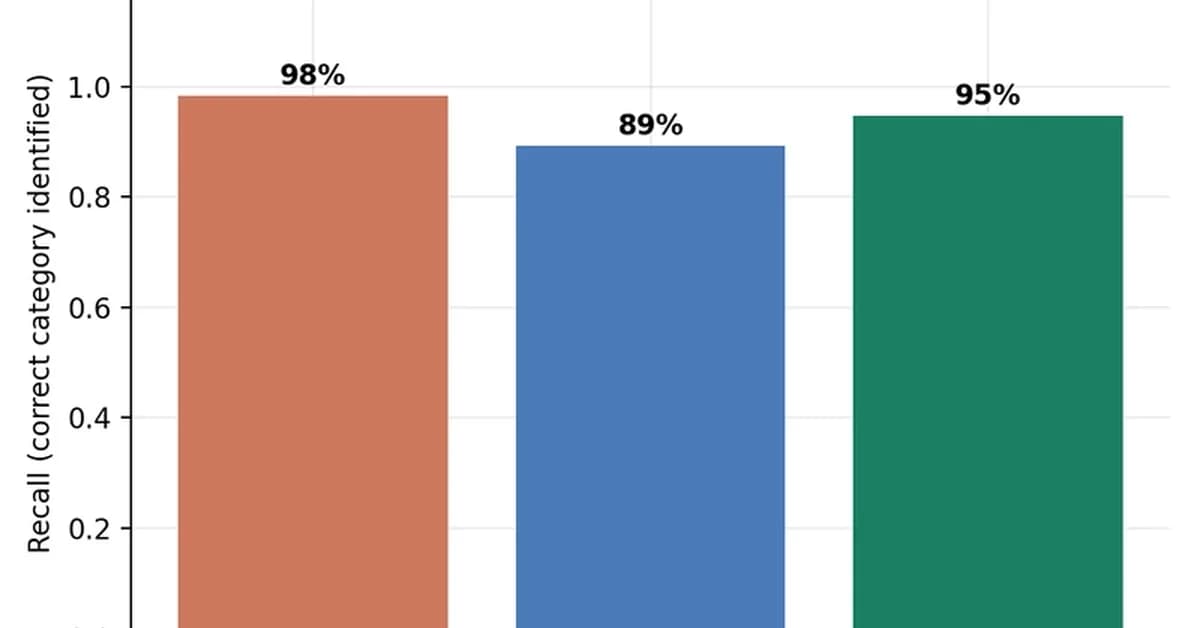
High-Level Accuracy: All three LLMs—Claude, Gemini, and GPT-5.5—are highly accurate at identifying the correct DASP-10 vulnerability category in known vulnerable smart contracts, with recall rates ranging from 89% to 98%.
-
Localization Precision:
- Claude has a high gap between lenient and strict recall (16 points), indicating it often identifies the right category but struggles with pinpointing the exact line of code.
- GPT-5.5, on the other hand, shows very little difference between lenient and strict recall, suggesting it is highly precise in both identifying the correct vulnerability type and locating it accurately.
-
False Positives:
- Claude tends to report a high number of false positives by flagging stylistic issues as security vulnerabilities.
- GPT-5.5 focuses on reporting one finding per contract with higher precision, which is suitable for automated systems that need fewer false positives.
-
Ensemble Approach: Combining the findings from
Read the full article at DEV Community
Want to create content about this topic? Use Nemati AI tools to generate articles, social posts, and more.
Views259
Tags

Ali NematiBlogUI.author_articles