Summary
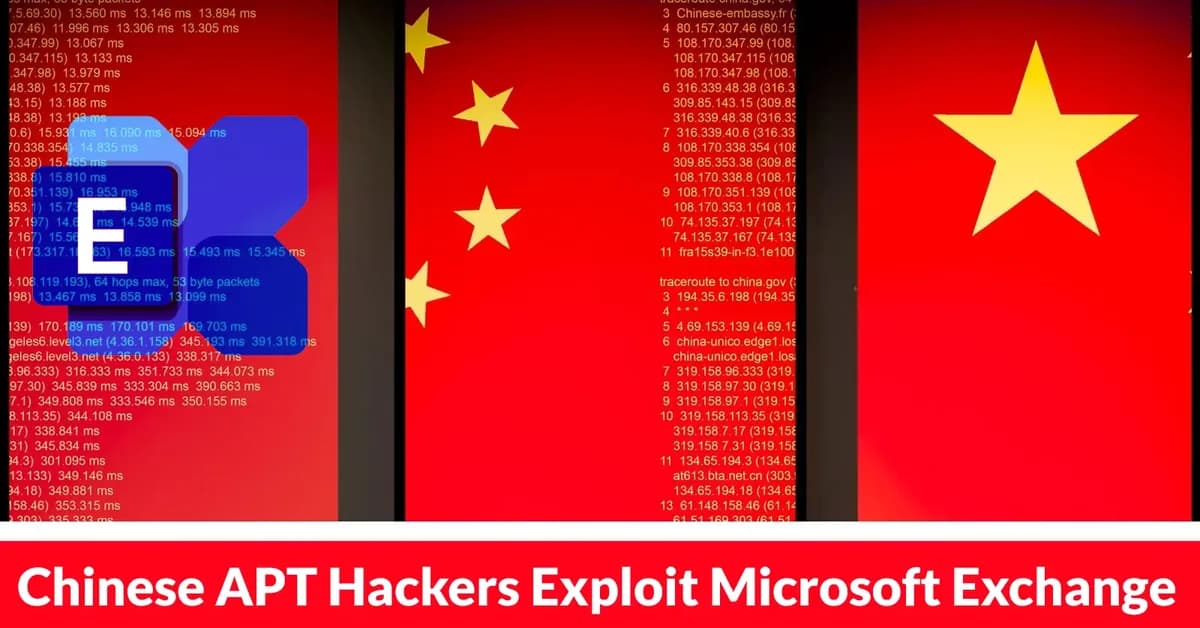
Chinese state-sponsored hackers have exploited a recently disclosed vulnerability in Microsoft Exchange to breach an energy sector network. The attack involved multiple stages, including the deployment of web shells and malicious DLLs, resulting in the installation of Deed RAT for lateral movement within the compromised environment.
Key Points:
- Initial Exploit: Hackers used ProxyNotShell vulnerabilities (CVE-2022-41040 and CVE-2022-41082) to gain initial access.
- Web Shells Deployed: Web shells were dropped on the Exchange server, facilitating further exploitation.
- Sideloading Techniques: Malicious DLLs were deployed using sideloading techniques mimicking legitimate software (e.g., LogMeIn Hamachi).
- Persistence Mechanisms: The attackers attempted to install a kernel driver for persistence but failed. They also used registry keys and file paths to maintain access.
- Command-and-Control Servers: Communication with command-and-control servers was established using domain names like
virusblocker[.]it[.]comandsentinelonepro[.]com.
Indicators of Compromise (IoCs):
- File Hashes: MD5 hashes for
Read the full article at Cyber Security News
Want to create content about this topic? Use Nemati AI tools to generate articles, social posts, and more.
132
Contents

Ali NematiWritten by Ali