The explanation provided delves into the inner workings of large language models (LLMs) like Claude, focusing on several key aspects: tokenization, context window limitations, autoregressive generation, attention mechanism, and temperature control. Here's a summary and some additional insights:
Key Concepts
-
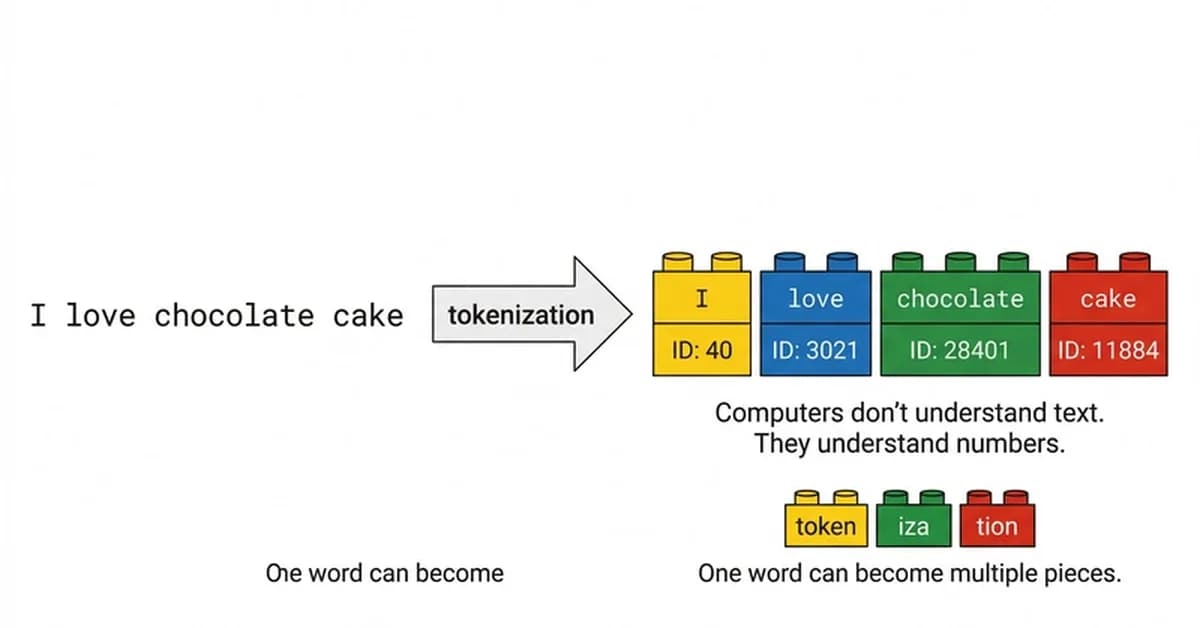
Tokenization:
- LLMs break down input text into tokens, which are the basic units of computation.
- The size of these tokens affects how much information they can carry (e.g., subword tokenizers like BPE vs word-level tokenizers).
-
Context Window:
- Models have a fixed context window that limits the amount of past input they can consider when generating text.
- For Claude Opus 4.6, this is around 200K tokens (approximately 32K words).
- The effective usable space for Portuguese content might be smaller due to linguistic differences in tokenization.
-
Autoregressive Generation:
- Models generate output one token at a time, with each subsequent token dependent on the entire sequence of previous tokens.
- This process is sequential and can lead to errors accumulating over time as the model generates longer sequences.
-
**
Read the full article at DEV Community
Want to create content about this topic? Use Nemati AI tools to generate articles, social posts, and more.
Views290
Tags
On this page

Ali NematiBlogUI.author_articles