The detailed breakdown of Claude Code's architecture and design principles provides valuable insights into building effective AI agent systems. Here are some key takeaways:
Memory System Design
-
Storage:
- Claude Code: Uses plain Markdown files for storage, which is human-readable, editable with any text editor, and easily version-controlled.
- OpenClaw: Combines Markdown with SQLite (FTS + vector embeddings) to enable scalable fuzzy semantic matching across thousands of memories.
-
Recall Mechanism:
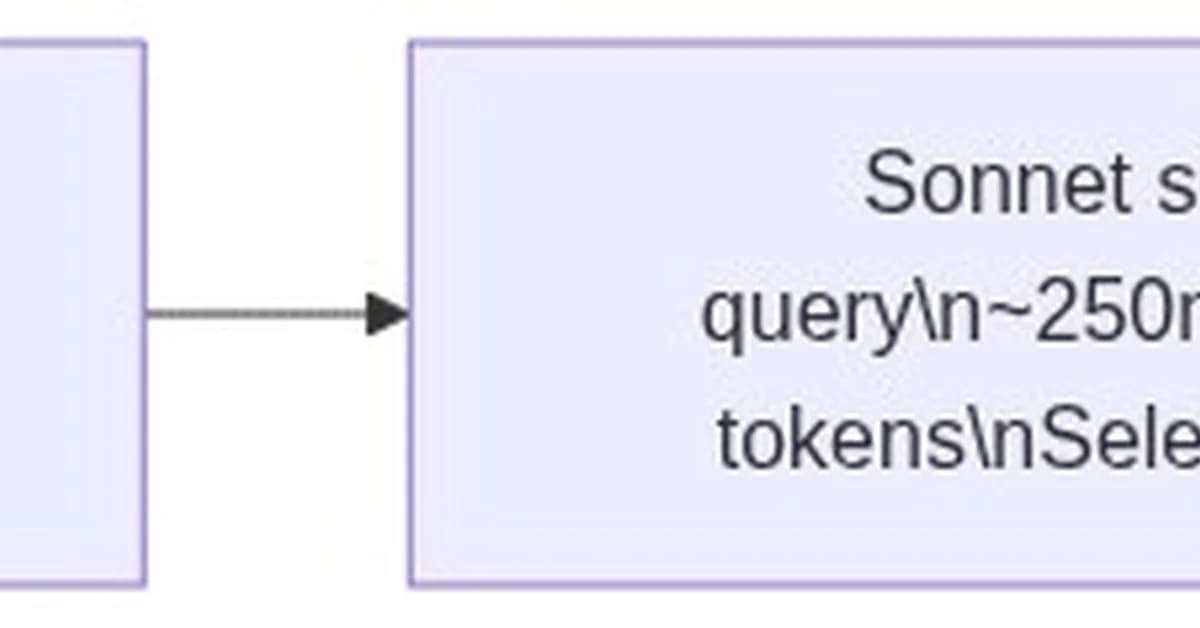
- Claude Code: Employs Sonnet side-query for semantic recall, which leverages the model's understanding to relate concepts like "deployment" and "CI/CD".
- OpenClaw: Uses a combination of embedding cosine similarity and full-text search (FTS) fusion.
Transparency vs. Infrastructure
- Claude Code prioritizes transparency by using plain text files, making it easy for users to inspect and manage memories.
- OpenClaw accepts infrastructure overhead for persistent cross-session scale but sacrifices some transparency due to opaque vector similarity scores.
Learning Loop
- Hermes Agent: Focuses on self-evolving learning loops where the agent generates skills
Read the full article at DEV Community
Want to create content about this topic? Use Nemati AI tools to generate articles, social posts, and more.
5
Contents

Ali NematiWritten by Ali
![[AINews] The Unreasonable Effectiveness of Closing the Loop](/_next/image?url=https%3A%2F%2Fmedia.nemati.ai%2Fmedia%2Fblog%2Fimages%2Farticles%2F600e22851bc7453b.webp&w=3840&q=75)