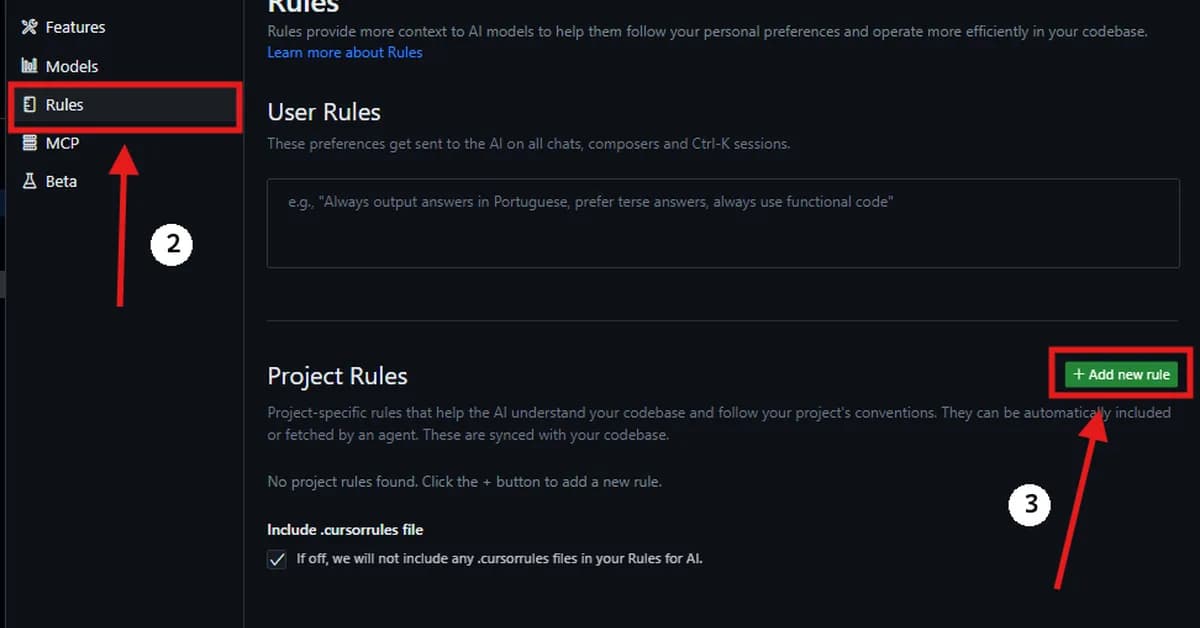
Based on your detailed comparison and rules, it seems clear that using defineProps, defineEmits, and defineModel with TypeScript generics in Vue 3 provides a more robust and type-safe approach compared to the old way of declaring props and emitting events.
Here's how you can apply these principles effectively:
Rule 1: Use Composition API + Composables
Example:
typescript1<script setup lang="ts"> 2import { defineProps, defineEmits } from 'vue'; 3import { useLogger } from '@/composables/useLogger'; 4 5interface User { 6 id: number; 7 name: string; 8} 9 10const props = defineProps<{ 11 user: User; 12 editable?: boolean; 13}>(); 14 15const emit = defineEmits<{ 16 (event: 'save', user: User): void; 17}>(); 18 19const { log } = useLogger('UserCard'); 20 21const editing = ref(false); 22const draftName = ref(''); 23 24const displayName = computed(() => draftName.value || props.user.name); 25 26function startEdit() { 27 editing.value = true; 28 draftName.value = props.user.name; 29} 30 31function save() { 32 emit('save', { ...props.user, name: draftName.value }); 33 editing.value 34 35[Read the full article at DEV Community](https://dev.to/olivia_craft/cursor-rules-for-vue-3-and-nuxt-ai-dev-guide-2026-iim) 36 37--- 38 39**Want to create content about this topic?** [Use Nemati AI tools](https://nemati.ai) to generate articles, social posts, and more.
2
Contents

Ali NematiWritten by Ali
![[AINews] The Unreasonable Effectiveness of Closing the Loop](/_next/image?url=https%3A%2F%2Fmedia.nemati.ai%2Fmedia%2Fblog%2Fimages%2Farticles%2F600e22851bc7453b.webp&w=3840&q=75)