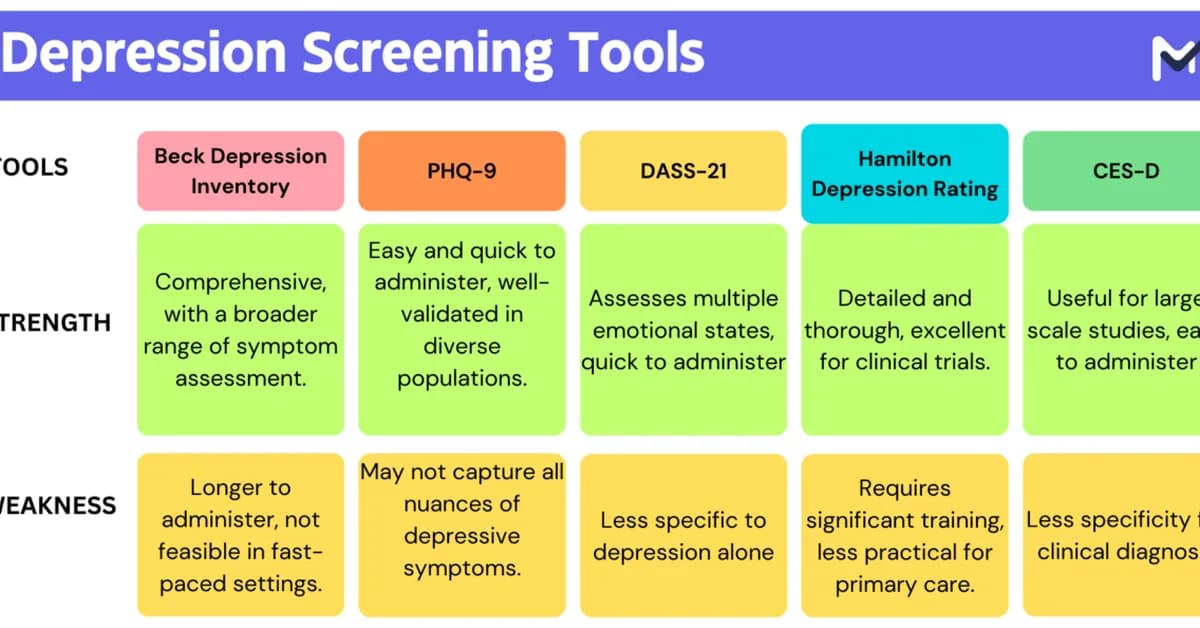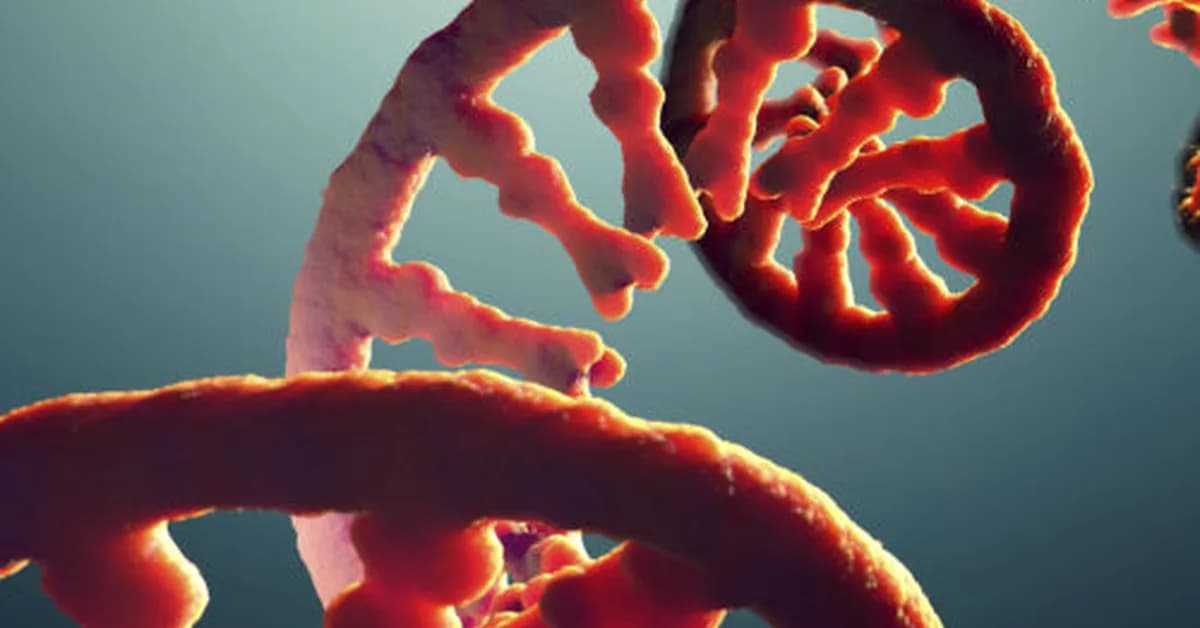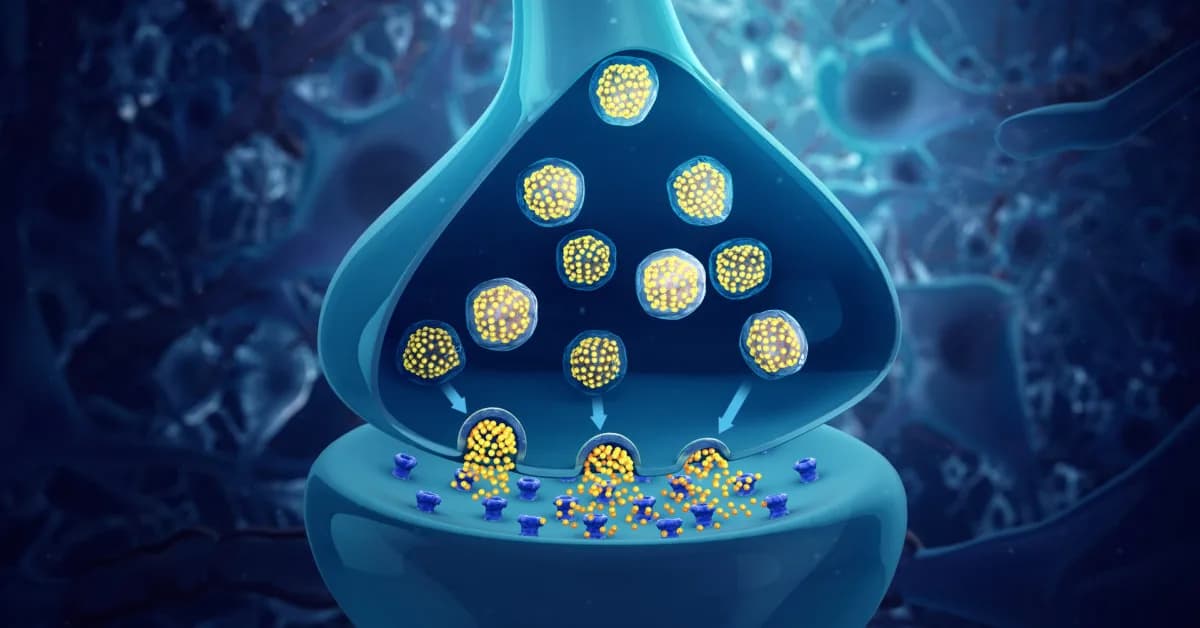
New research from Columbia University shows that major depressive disorder disrupts the brain's ability to generate new neurons in the hippocampus, a region crucial for memory and emotional processing. This finding could lead to more targeted treatments aimed at restoring neural adaptability rather than just altering neurotransmitter levels, offering potential benefits for personalized medicine and public health initiatives focused on mental wellness.
Read the full article at Digital Journal
Want to create content about this topic? Use Nemati AI tools to generate articles, social posts, and more.
Views105

Ali NematiBlogUI.author_articles