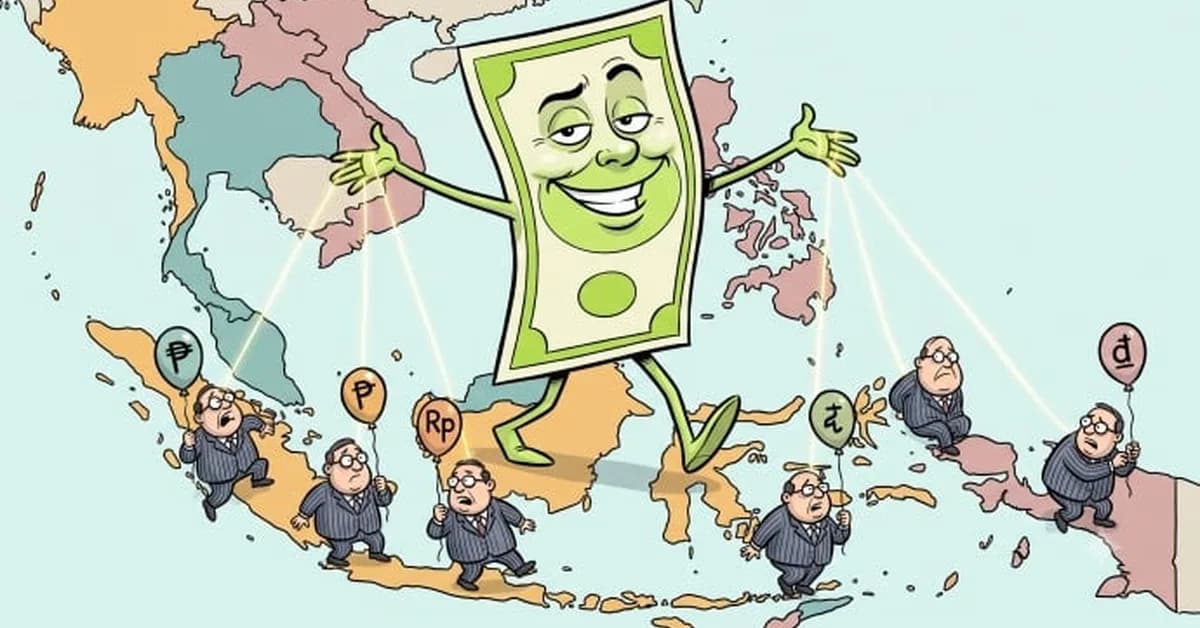
The New Architecture of Repression: Digital Control Post-2011 Arab Uprisings
Fifteen years ago, the 2011 Arab uprisings marked a turning point in how governments interact with digital spaces. Initially caught off guard by the mobilizing power of social media and online platforms, states responded with crude measures like blocking websites and shutting down networks. However, over time, they have systematically adapted their strategies to create durable systems of control that are embedded in law, outsourced to platforms, and justified through the language of security.
From Reactive Measures to Durable Systems
In 2011, governments were largely reactive, scrambling to contain movements they did not fully understand. They blocked websites, shut down networks, and attempted to censor online content. However, this initial response was short-lived as states began to develop more sophisticated methods of control.
The Role of Cybercrime Legislation
Today, roughly four out of five countries worldwide have enacted cybercrime legislation, a dramatic expansion over the past decade. Many governments adopted or revised such laws in the years following the Arab uprisings. These laws are often repurposed to police speech:
- Nigeria: Journalists have been detained under
Read the full article at EFF Deeplinks
Want to create content about this topic? Use Nemati AI tools to generate articles, social posts, and more.