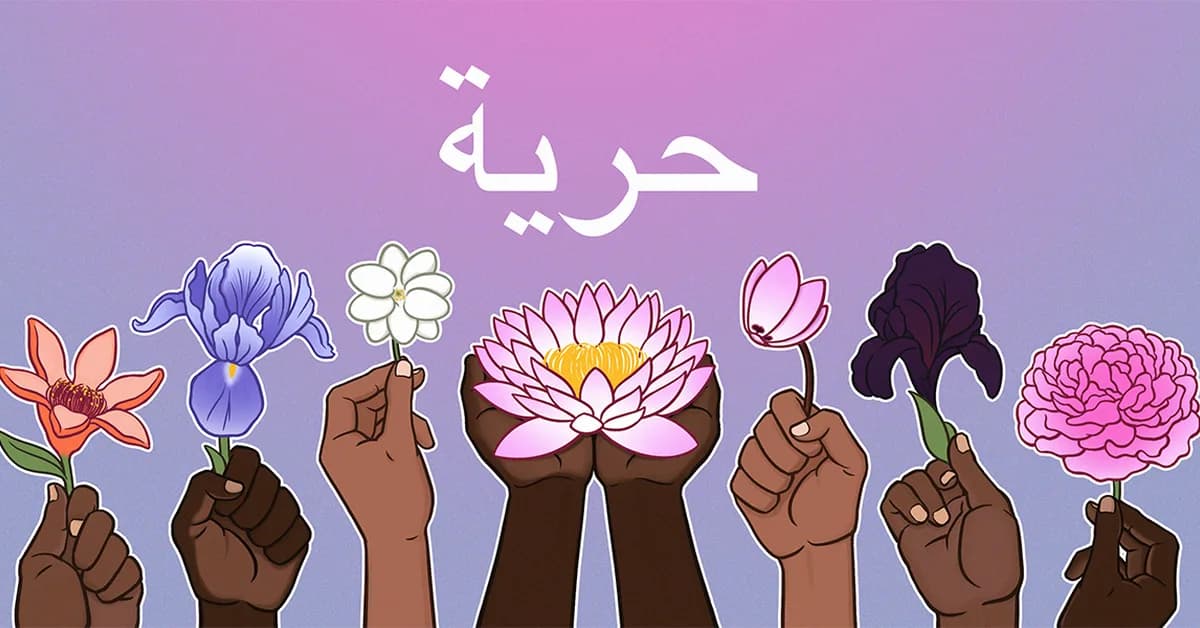
This blog post is part of a series reflecting on the global digital legacy of the 2011 Arab uprisings. It focuses specifically on the issue of internet shutdowns and how they have evolved over time, particularly in politically sensitive contexts like elections.
Key Points:
-
Historical Context:
- The post begins by referencing the 2011 Arab Spring protests and their digital impact.
- It highlights that internet disruptions were initially seen as rare occurrences but have now become a routine tool for state control.
-
Legal Architecture of Shutdowns:
- Governments are increasingly using broadly worded laws around national security or public order to justify shutdowns.
- Even in countries without explicit legal provisions, authorities use these justifications to impose internet blackouts during sensitive political periods.
-
Elections and Internet Shutdowns:
- In 2024 alone, there were 304 internet shutdowns across 54 countries, setting a new record.
- These disruptions often occur around election times in countries with prior histories of such measures, putting billions at risk during critical democratic moments.
-
Civil Society Response:
- Access Now launched the #KeepIt
Read the full article at EFF Deeplinks
Want to create content about this topic? Use Nemati AI tools to generate articles, social posts, and more.
Views0
On this page

alinemati1983-6987BlogUI.author_articles