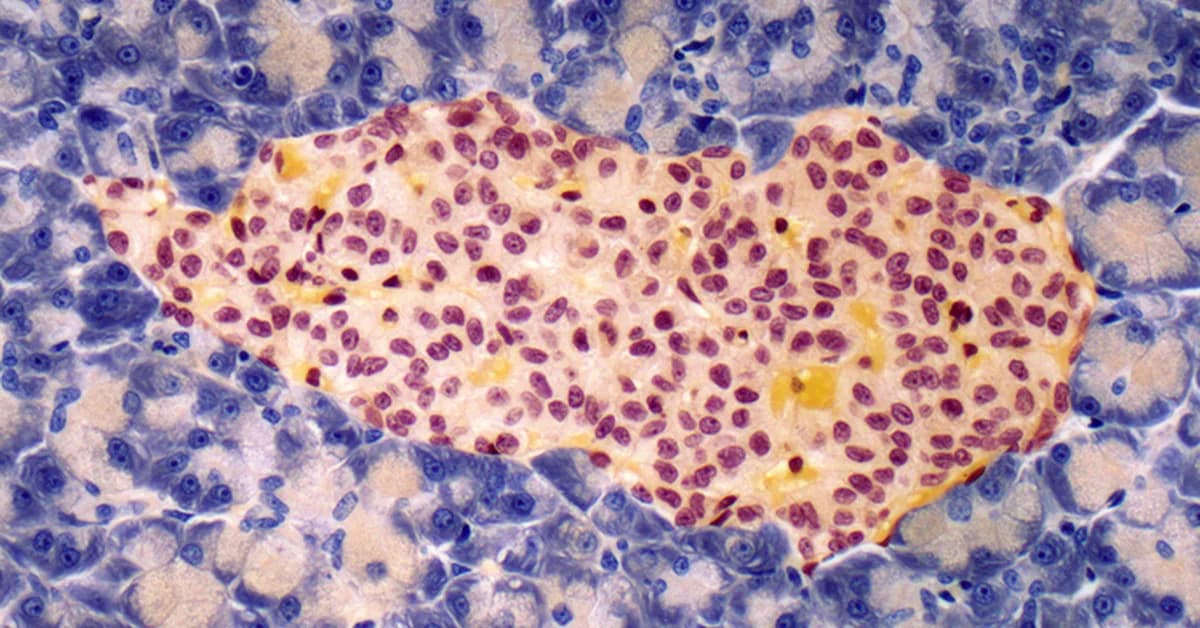
Researchers from the University of Pennsylvania and Harvard developed an ultrathin electronic mesh that integrates into developing pancreatic tissue to deliver electrical pulses, aiding in the maturation of stem-cell derived islet cells for insulin production. This innovation could lead to new methods for generating functional human islets for diabetes treatment, offering hope for patients with type 1 diabetes who require precise glucose regulation without relying on scarce donor organs or lifelong immunosuppressants.
Read the full article at Genetic Engineering News
Want to create content about this topic? Use Nemati AI tools to generate articles, social posts, and more.
Views8
Tags

Ali NematiBlogUI.author_articles