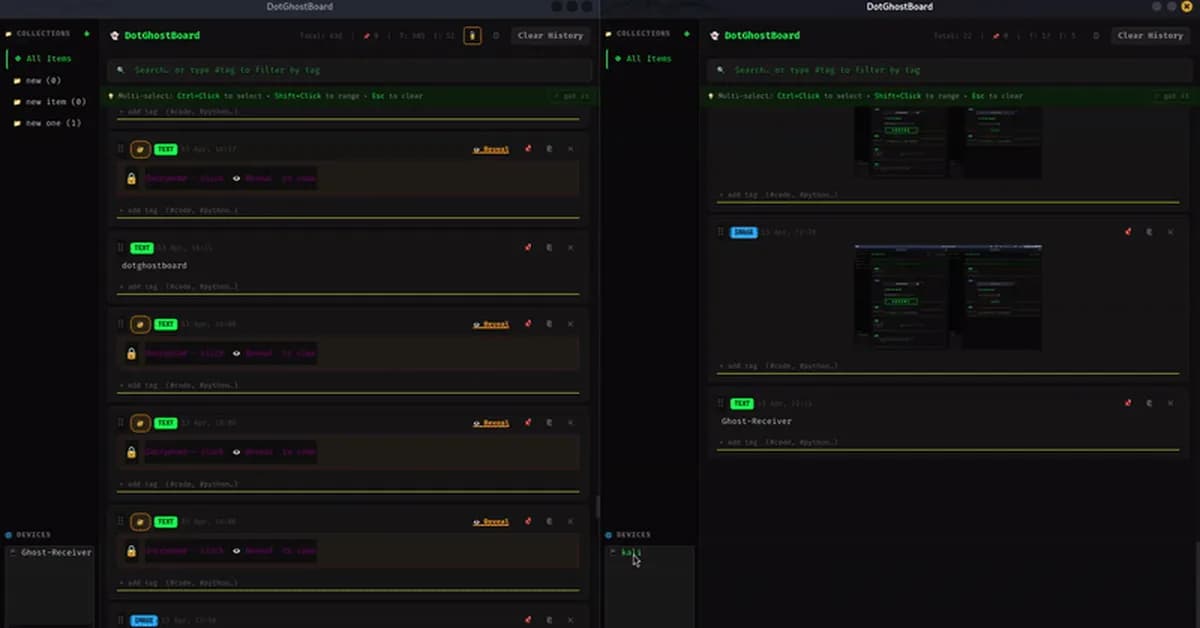
It sounds like you're working on a secure local network synchronization application using Python, which involves several key components: service discovery, secure pairing through X25519 key exchange, and a REST API for data sync. Let's break down the main parts of your implementation:
Service Discovery
You've implemented a simple service discovery mechanism using UDP broadcast messages. This allows devices to find each other on the local network without relying on external services like mDNS or Bonjour.
Key Points:
- UDP Broadcast: Devices periodically send out "ping" messages to discover others.
- Response Handling: When a device receives a ping, it responds with its own service information (e.g., IP address and port).
- Peer List Management: The application maintains an internal list of discovered peers.
Secure Pairing
The pairing process ensures that only trusted devices can communicate securely. This involves:
- X25519 Key Exchange: Devices exchange public keys to establish a shared secret.
- PIN Verification: A simple 6-digit PIN is used to authenticate the key exchange.
Key Points:
- Ephemeral Keys: Each pairing session uses temporary X25519 keys that are
Read the full article at DEV Community
Want to create content about this topic? Use Nemati AI tools to generate articles, social posts, and more.
6
Contents

Ali NematiWritten by Ali
![[AINews] The Unreasonable Effectiveness of Closing the Loop](/_next/image?url=https%3A%2F%2Fmedia.nemati.ai%2Fmedia%2Fblog%2Fimages%2Farticles%2F600e22851bc7453b.webp&w=3840&q=75)