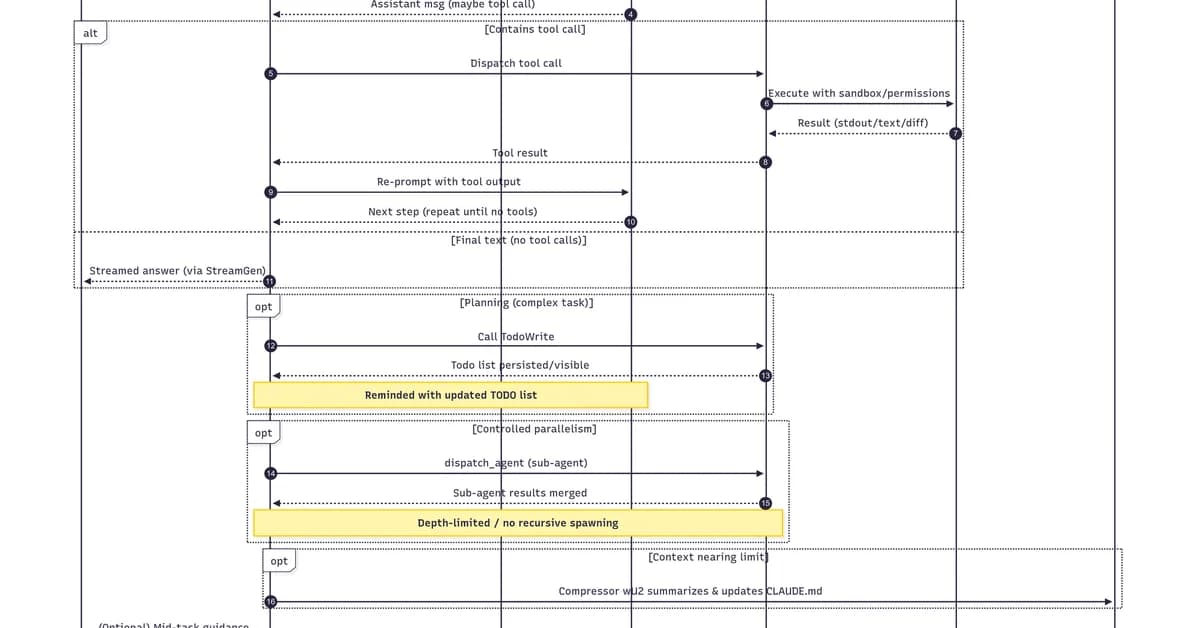
It sounds like you're discussing the concept of "self-verification loops" as they pertain to AI-assisted software development using tools like Claude Code. In this context, a self-verification loop refers to an iterative process where an AI agent (like Claude) generates code or performs tasks and then verifies its own work against certain criteria before declaring itself done.
Here's a breakdown of the key points related to these verification loops:
-
Layers of Verification:
- Layer 1 (Syntax): Ensures that generated code adheres to syntax rules and conventions.
- Example: Running linters or static analysis tools.
- Layer 2 (Intent): Checks if the completed task matches the user's original request or intent.
- Example: Asking Claude to review its work against the initial requirements.
- Layer 3 (Regression): Ensures that changes do not break existing functionality by running tests.
- Layer 1 (Syntax): Ensures that generated code adheres to syntax rules and conventions.
-
Benefits of Verification Hooks:
- Token Overhead: Minimal token cost for Layer 1 and Layer 3, with only a small increase in token usage for Layer 2.
- Time Savings: Reduces the time spent fixing AI-generated errors or reworking
Read the full article at DEV Community
Want to create content about this topic? Use Nemati AI tools to generate articles, social posts, and more.
3
Tags

Ali NematiWritten by Ali
![[AINews] The Unreasonable Effectiveness of Closing the Loop](/_next/image?url=https%3A%2F%2Fmedia.nemati.ai%2Fmedia%2Fblog%2Fimages%2Farticles%2F600e22851bc7453b.webp&w=3840&q=75)