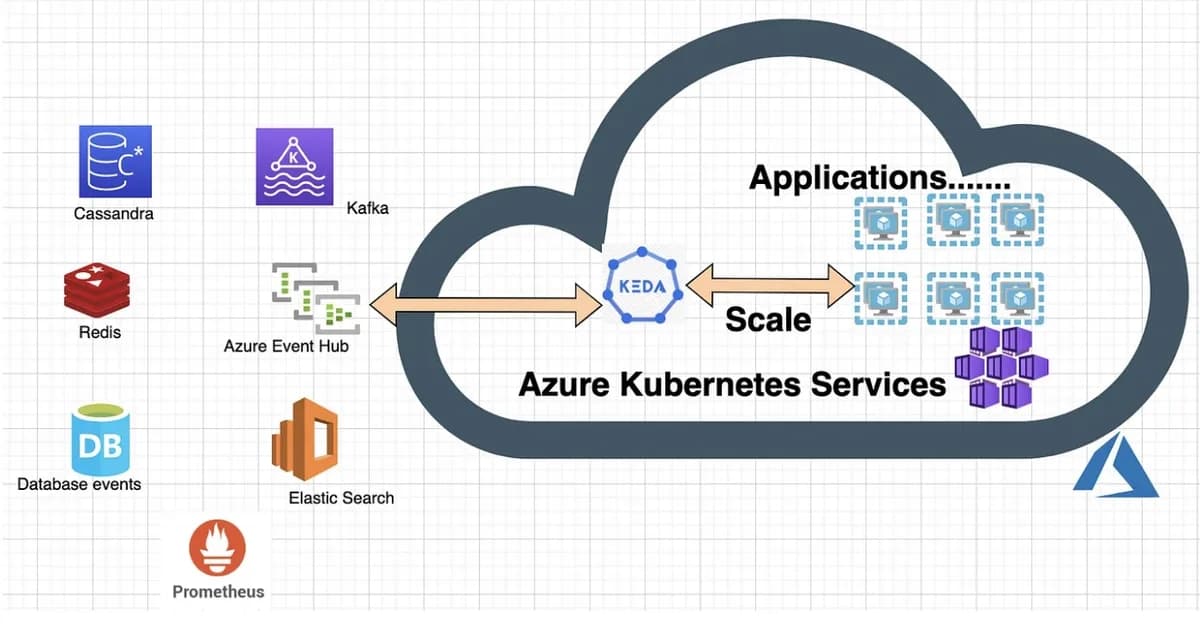
The provided content outlines a comprehensive guide for setting up and validating an auto-scaling solution using Kubernetes Event-Driven Autoscaling (KEDA) version 2.15, specifically tailored to Azure Batch with Cobalt H-series virtual machines. Below is a summary of the key steps involved in this process:
Step-by-Step Guide
Prerequisites
Ensure you have:
- An Azure subscription.
- A Kubernetes cluster running on Azure AKS.
- The necessary Azure CLI and Kubectl commands installed and configured.
1. Setting Up Environment Variables
Before proceeding, set up the required environment variables for your Azure resources:
bash1export AZURE_SUBSCRIPTION_ID="your-subscription-id" 2export AZURE_TENANT_ID="your-tenant-id" 3export AZURE_CLIENT_ID="your-client-id" 4export AZURE_CLIENT_SECRET="your-client-secret" 5export AZURE_BATCH_ACCOUNT_NAME="your-batch-account-name" 6export AZURE_RESOURCE_GROUP="your-resource-group"
2. Installing KEDA Operator
Install the KEDA operator in your Kubernetes cluster:
bash1helm repo add kedacore https://kedacore.github.io/charts 2helm install keda kedacore/keda -- 3 4[Read the full article at DEV Community](https://dev.to/johalputt/how-to-cut-azure-cobalt-100-costs-by-25-with-auto-scaling-and-keda-215-325c) 5 6--- 7 8**Want to create content about this topic?** [Use Nemati AI tools](https://nemati.ai) to generate articles, social posts, and more.
2
Tags
Contents

Ali NematiWritten by Ali
![[AINews] The Unreasonable Effectiveness of Closing the Loop](/_next/image?url=https%3A%2F%2Fmedia.nemati.ai%2Fmedia%2Fblog%2Fimages%2Farticles%2F600e22851bc7453b.webp&w=3840&q=75)