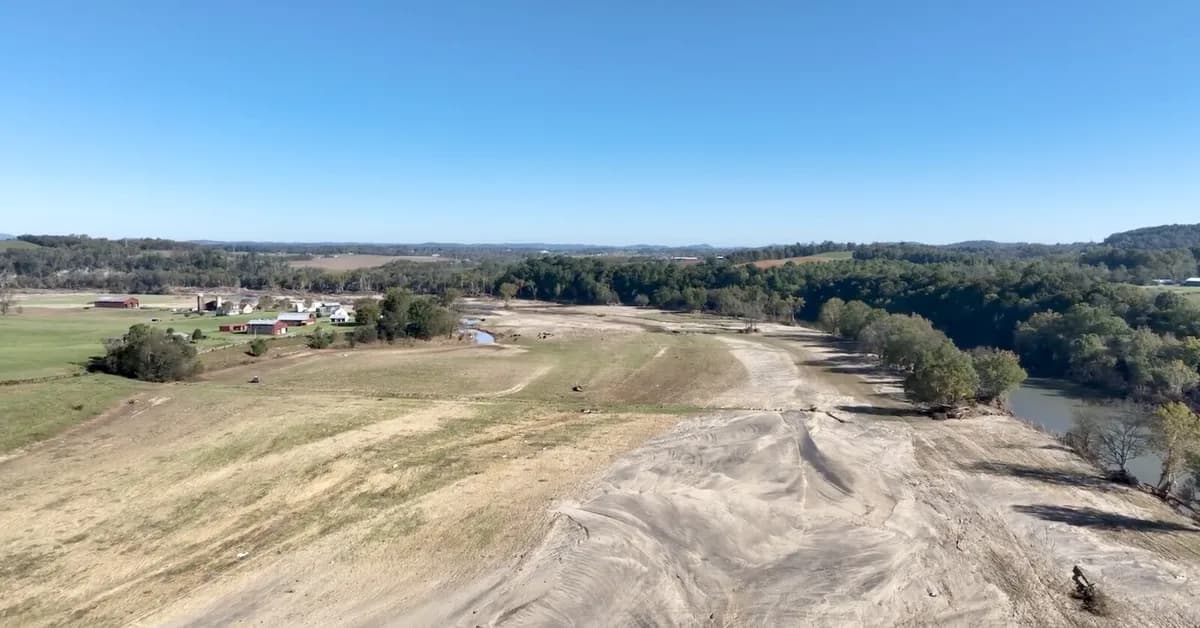
Hurricane Helene caused significant damage to farmlands in Appalachia, washing away crucial topsoil and depositing new sediment that hindered crop growth.
This event highlights the need for more research on how agricultural soil recovers after a flood, particularly in regions where such events are rare. Scientists like Forbes Walker from the University of Tennessee Institute of Agriculture are setting up test plots to study which soil amendments can help recover damaged fields.
The scarcity of data and funding for this type of research underscores the challenges faced by farmers recovering from extreme weather events exacerbated by climate change. As flooding becomes more frequent, understanding recovery methods is crucial for sustainable agriculture.
Read the full article at Grist
Want to create content about this topic? Use Nemati AI tools to generate articles, social posts, and more.