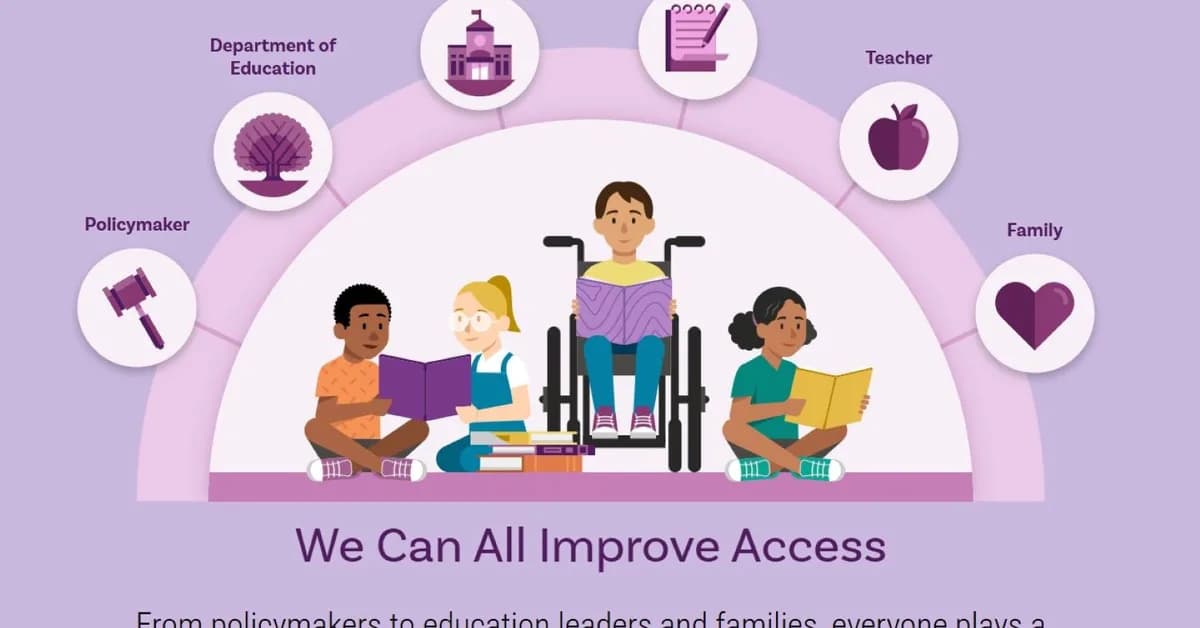
A designer leading a visioning workshop with middle school students realized that excluding student input in designing schools sends an implicit message that these spaces are not theirs to shape. Including students' voices leads to better design and more inclusive learning environments, as they provide unique insights into what matters most for their well-being and success.
Read the full article at eSchool News
Want to create content about this topic? Use Nemati AI tools to generate articles, social posts, and more.
Views7
Tags

Ali NematiBlogUI.author_articles