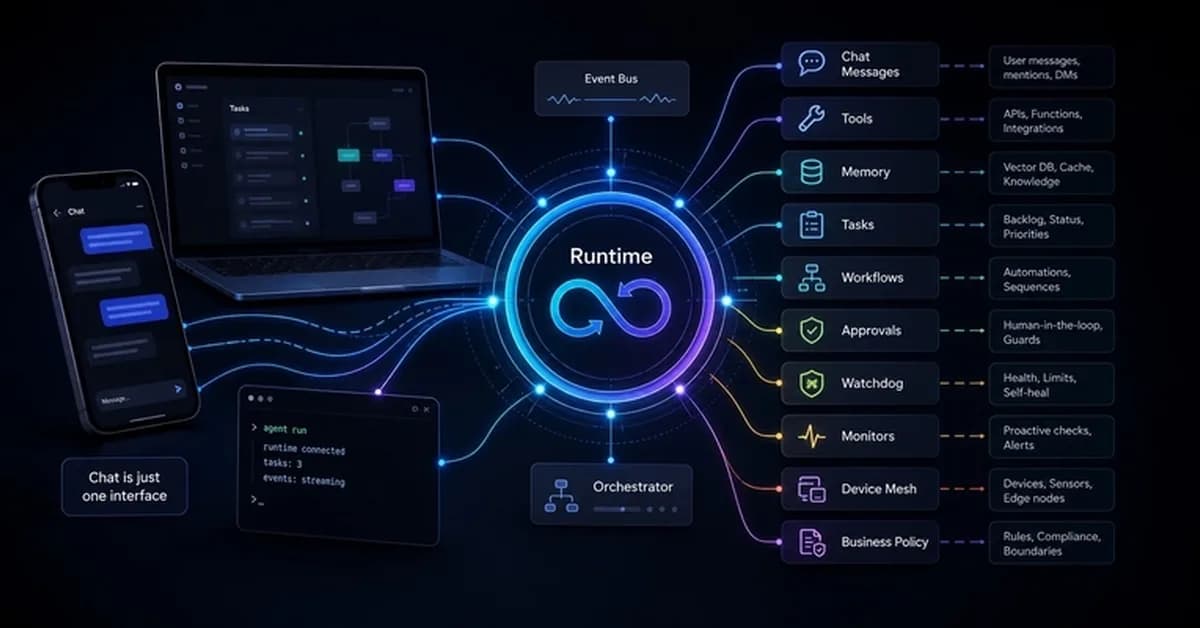
The architecture and design of Spectrion, as described in your detailed breakdown, illustrate a sophisticated approach to building an intelligent agent system. Here are some key takeaways from the components you mentioned:
-
Context Management: The ContextManager plays a crucial role by assembling relevant context for each interaction without overwhelming the model with unnecessary information. This is achieved through mechanisms like MessageCompactor and TranscriptSummarizer, which help in maintaining a balance between preserving essential context and avoiding token overflow.
-
Active Task Envelope (ATE): ATE serves as an anchor for ongoing tasks, storing critical details such as objectives, constraints, and lifecycle status. It ensures that the agent can resume work seamlessly even after context compaction or interruptions, thereby supporting long-running tasks effectively.
-
Execution Lanes: By managing different types of execution lanes (main, cron, subagent, nested), Spectrion prevents resource contention issues and allows for parallel processing where appropriate. This is vital for maintaining smooth operation during background tasks or when handling multiple concurrent requests.
-
Queued Follow-Ups: Handling user inputs while the agent is still working on a task without disrupting its flow demonstrates thoughtful consideration of real-world usage scenarios. Queuing follow-up messages
Read the full article at DEV Community
Want to create content about this topic? Use Nemati AI tools to generate articles, social posts, and more.