The article discusses the pitfalls of using polling mechanisms for email-based interactions with Large Language Models (LLMs) like OpenClaw. The core issue is that while a simple approach might work initially, it can lead to inefficiencies and reliability problems as usage scales up. Here are the key points:
-
Polling Mechanism Inefficiency:
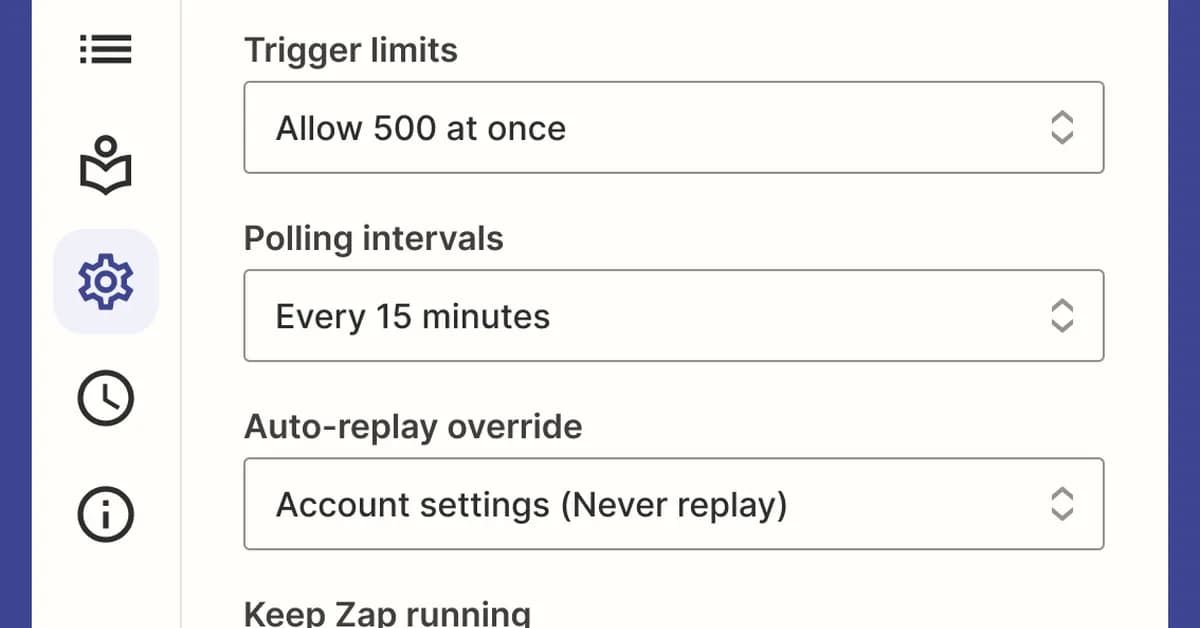
- Polling an email inbox every few minutes to check for new messages wastes resources.
- This method leads to unnecessary API calls and wasted tokens or compute time, especially if there's low incoming message volume.
-
Idempotency Issues:
- Without proper deduplication mechanisms, polling can result in duplicate processing of the same email multiple times.
- This can cause inconsistencies and redundant work, leading to incorrect responses or excessive costs.
-
Scalability Problems:
- As the number of users increases, so does the frequency of checks, which can quickly become unmanageable.
- Continuous polling can lead to high operational overhead and increased costs without providing significant benefits in terms of responsiveness.
-
Event-Driven Architecture:
- The article suggests transitioning from a polling-based system to an event-driven architecture where LLMs receive real
Read the full article at DEV Community
Want to create content about this topic? Use Nemati AI tools to generate articles, social posts, and more.
5
Tags

Ali NematiWritten by Ali
![[AINews] The Unreasonable Effectiveness of Closing the Loop](/_next/image?url=https%3A%2F%2Fmedia.nemati.ai%2Fmedia%2Fblog%2Fimages%2Farticles%2F600e22851bc7453b.webp&w=3840&q=75)