refactoring legacy code into an opportunity for significant improvement. Here are some key takeaways and practical steps based on your experience with Gemini 3:
Key Takeaways
-
Single Responsibility Principle (SRP):
- Break down large functions into smaller, single-purpose functions.
- Ensure each function does one thing well and returns early when possible.
-
Dependency Injection:
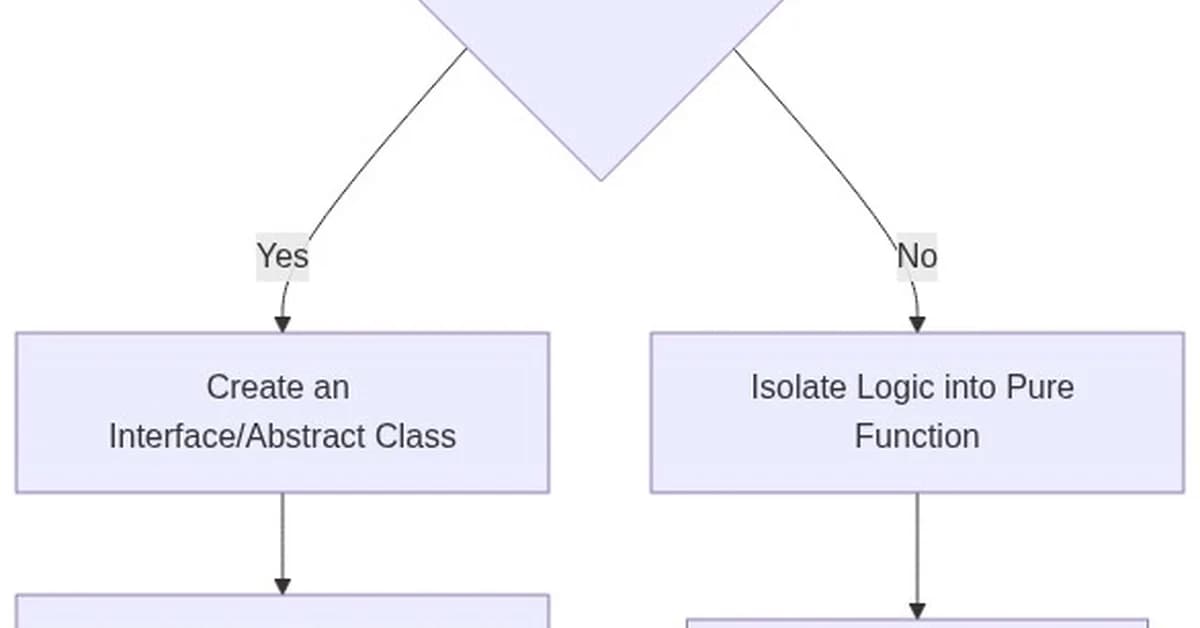
- Replace hardcoded dependencies with interfaces or abstract classes that can be injected at runtime.
- This makes your code more modular, testable, and maintainable.
-
Defensive Programming:
- Handle exceptions explicitly to avoid silent failures.
- Use logging to track errors and provide context for debugging.
-
Immutability:
- Favor immutable data structures over mutable ones to prevent unintended side effects.
- Return new objects rather than modifying existing ones in place.
-
Optimized Algorithms:
- Analyze and optimize your code for better performance, especially in areas with nested loops or high complexity.
-
Self-Documenting Code:
- Write clear, concise code that explains itself without the need for extensive comments.
- Use meaningful variable names and function signatures to convey intent.
Read the full article at DEV Community
Want to create content about this topic? Use Nemati AI tools to generate articles, social posts, and more.
34
Tags
Contents

Ali NematiWritten by Ali
![[AINews] The Unreasonable Effectiveness of Closing the Loop](/_next/image?url=https%3A%2F%2Fmedia.nemati.ai%2Fmedia%2Fblog%2Fimages%2Farticles%2F600e22851bc7453b.webp&w=3840&q=75)