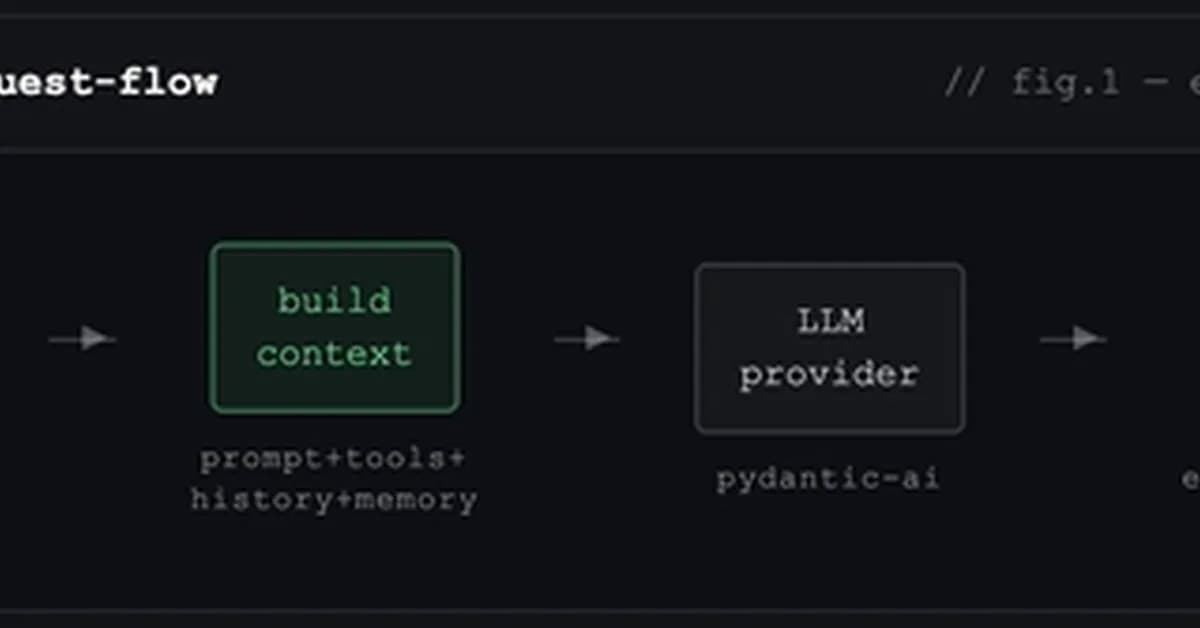
It sounds like you've built some interesting and practical applications using OpenClaw (or your own variant) for personal productivity. Let's break down the key points of what you've implemented and how it can be useful in various contexts:
Architecture Overview
You've created a modular architecture with three Docker containers:
- Brain: Orchestrates communication, manages context, and routes messages.
- LLM: Interfaces with language models (e.g., Anthropic's Claude or local Ollama).
- Telegram: Manages messaging via Telegram API.
This design ensures that sensitive information like API keys and credentials are isolated within their respective containers, reducing the risk of credential exposure to the LLM.
Security Considerations
- Credential Isolation: By using protocol-based communication between components, you ensure that no component has access to another's secrets.
- Modular Design: Each container can be independently deployed or scaled without affecting others, providing flexibility and resilience.
However, this comes with trade-offs:
- Complexity: Debugging cross-container interactions is more challenging than working with a monolithic system.
- Latency: Network latency between containers can impact performance in high-frequency use cases.
Practical Use Cases
Read the full article at DEV Community
Want to create content about this topic? Use Nemati AI tools to generate articles, social posts, and more.
2
Tags
Contents

Ali NematiWritten by Ali
![[AINews] The Unreasonable Effectiveness of Closing the Loop](/_next/image?url=https%3A%2F%2Fmedia.nemati.ai%2Fmedia%2Fblog%2Fimages%2Farticles%2F600e22851bc7453b.webp&w=3840&q=75)