Understanding Event-Driven Architecture (EDA)
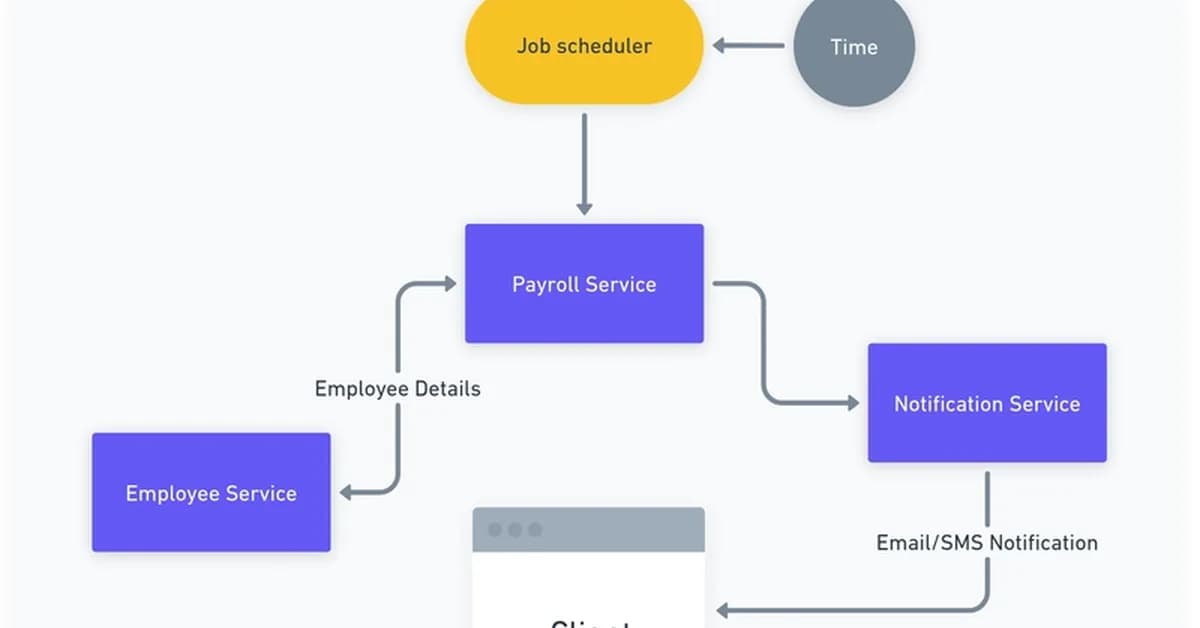
Event-driven architecture (EDA) is an architectural pattern that focuses on responding to events or changes in state within a system. This approach allows for more efficient and scalable systems by enabling asynchronous communication between components.
Key Components of EDA
-
Events: These are the core elements of EDA, representing significant occurrences or changes in the system. Events can be generated from various sources such as user actions, API calls, database updates, etc.
-
Event Producers (Publishers): Entities that generate and publish events to a central event bus or message broker.
-
Event Consumers (Subscribers): Components that subscribe to specific types of events and process them when they are published.
-
Message Broker/Event Bus: A middleware component responsible for routing events from producers to consumers based on subscription criteria.
-
State Management: In EDA, state management can be achieved through different patterns such as event sourcing or traditional database updates.
Types of Event Patterns
-
Domain Events:
- Represent significant changes in the domain model.
- Example:
OrderPlaced,PaymentReceived.
-
Application Events:
- Trigger
Read the full article at DEV Community
Want to create content about this topic? Use Nemati AI tools to generate articles, social posts, and more.

![[AINews] The Unreasonable Effectiveness of Closing the Loop](/_next/image?url=https%3A%2F%2Fmedia.nemati.ai%2Fmedia%2Fblog%2Fimages%2Farticles%2F600e22851bc7453b.webp&w=3840&q=75)