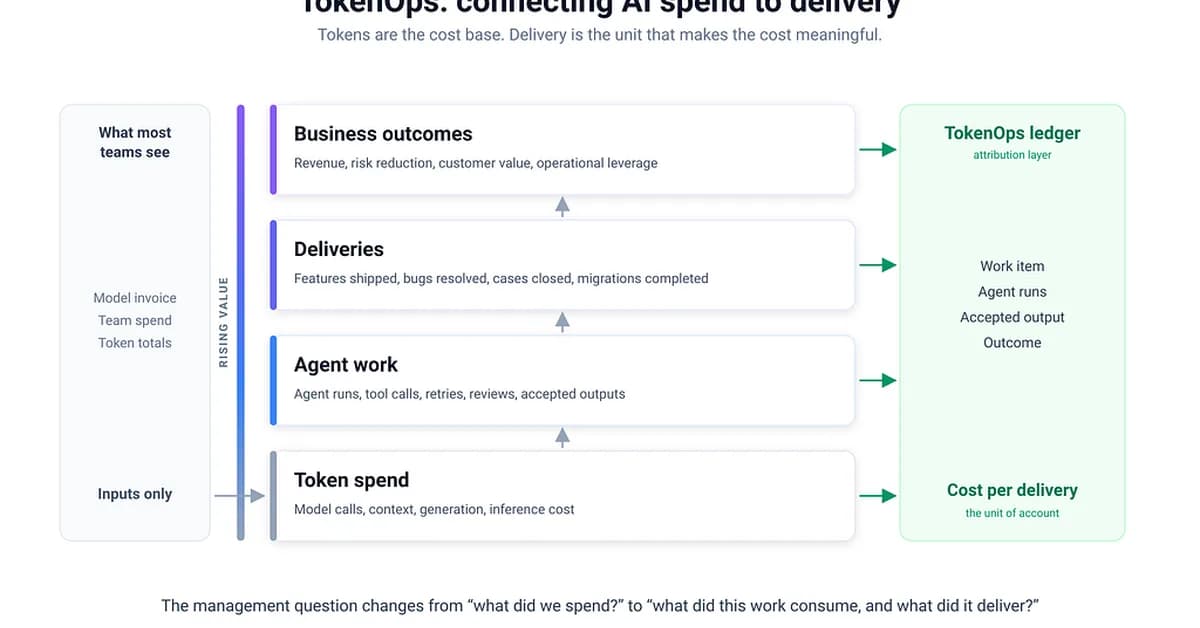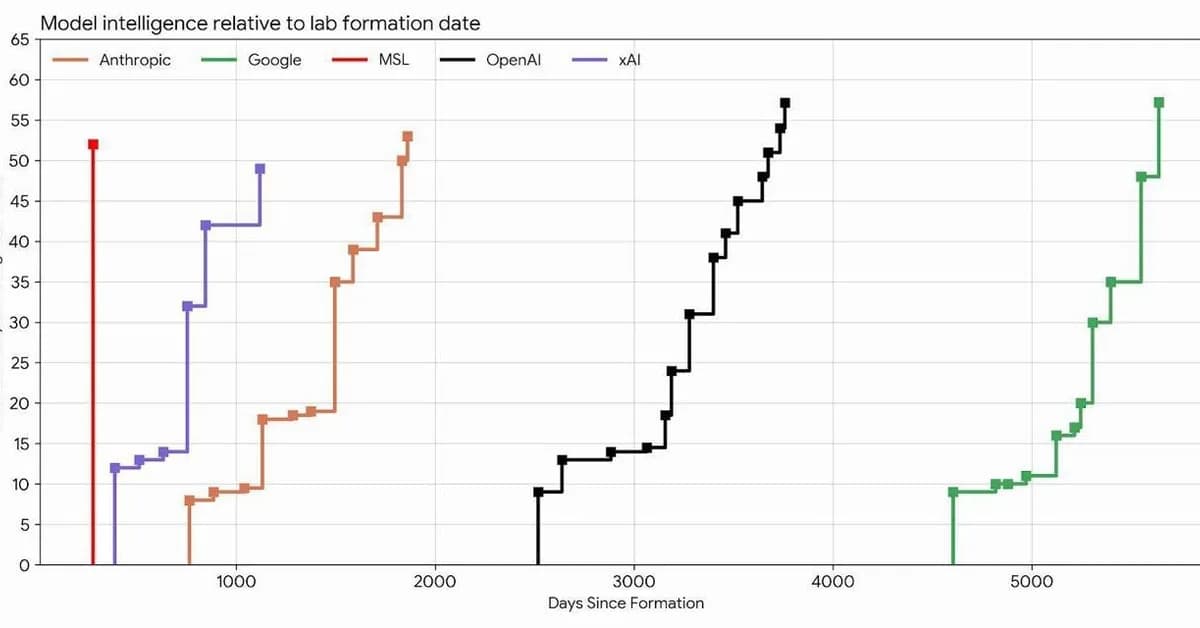
The article discusses a critical issue within the realm of artificial intelligence (AI) research and development: the reliance on token generation as a proxy for AI thinking. The author argues that this practice is not only inefficient but also potentially misleading, suggesting it's more akin to scaffolding than foundational architecture in the construction of advanced AI systems.
Key Points:
-
Token Generation as Scaffolding:
- Companies like Meta and others are spending trillions on token generation (e.g., Claude) for their AI models.
- This massive expenditure is justified by framing it as a necessary step for AI to "think" or process information effectively at scale.
- However, the author contends that this reliance on token generation is more of a crutch than an essential feature. It's akin to scaffolding used during construction but not integral to the final structure.
-
Pre-linguistic Thinking:
- The article draws parallels between human cognition and AI capabilities.
- Humans often think in pre-linguistic forms (visual, spatial) before translating thoughts into language.
- Current AI models are forced to generate tokens sequentially at inference time, which is inefficient and doesn't leverage the latent space effectively.
-
**
Read the full article at The Algorithmic Bridge
Want to create content about this topic? Use Nemati AI tools to generate articles, social posts, and more.
Views285
Tags
On this page

Ali NematiBlogUI.author_articles