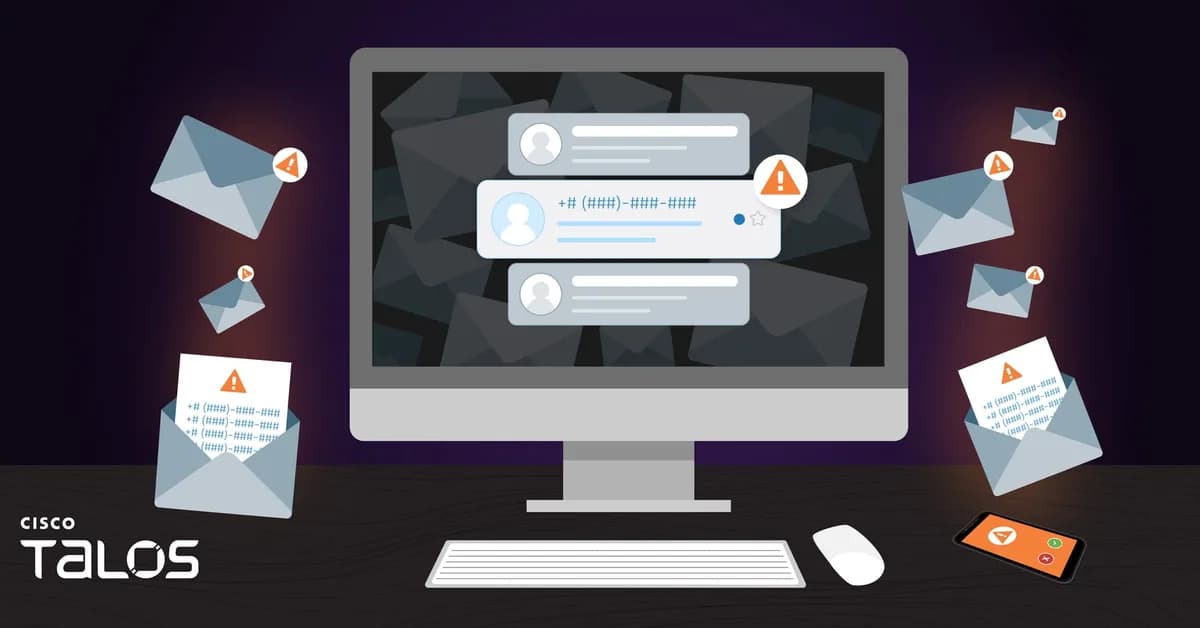
The article delves into the intricate world of scam campaigns and highlights the importance of phone numbers as key identifiers for tracking these operations. Here are the main points discussed:
Key Insights from the Article
-
Phone Numbers as Anchors:
- Scammers often use specific VoIP providers to obtain large blocks of sequential phone numbers.
- These numbers serve as persistent anchors in scam campaigns, unlike email addresses which can be easily changed.
-
Sequential Number Grouping:
- Scammers purchase Direct Inward Dialing (DID) blocks and use sequential phone numbers within these blocks.
- If one number is flagged or blocked by a carrier, scammers simply rotate to the next available number in the sequence.
-
Phone Block-Level Clustering:
- Large-scale scam campaigns reuse phone numbers across multiple brand lures.
- Example: A range of sequential numbers used for different brands like PayPal, Norton LifeLock, etc., showing how these blocks are deployed across various scams.
-
Reuse Across Different Lures and Formats:
- The same phone number can appear in emails with different subject lines or body contents.
- Phone numbers also appear in multiple attachment formats (e.g.,
Read the full article at Malware Analysis, News and Indicators - Latest topics
Want to create content about this topic? Use Nemati AI tools to generate articles, social posts, and more.
3
Contents

Ali NematiWritten by Ali
![[AINews] The Unreasonable Effectiveness of Closing the Loop](/_next/image?url=https%3A%2F%2Fmedia.nemati.ai%2Fmedia%2Fblog%2Fimages%2Farticles%2F600e22851bc7453b.webp&w=3840&q=75)