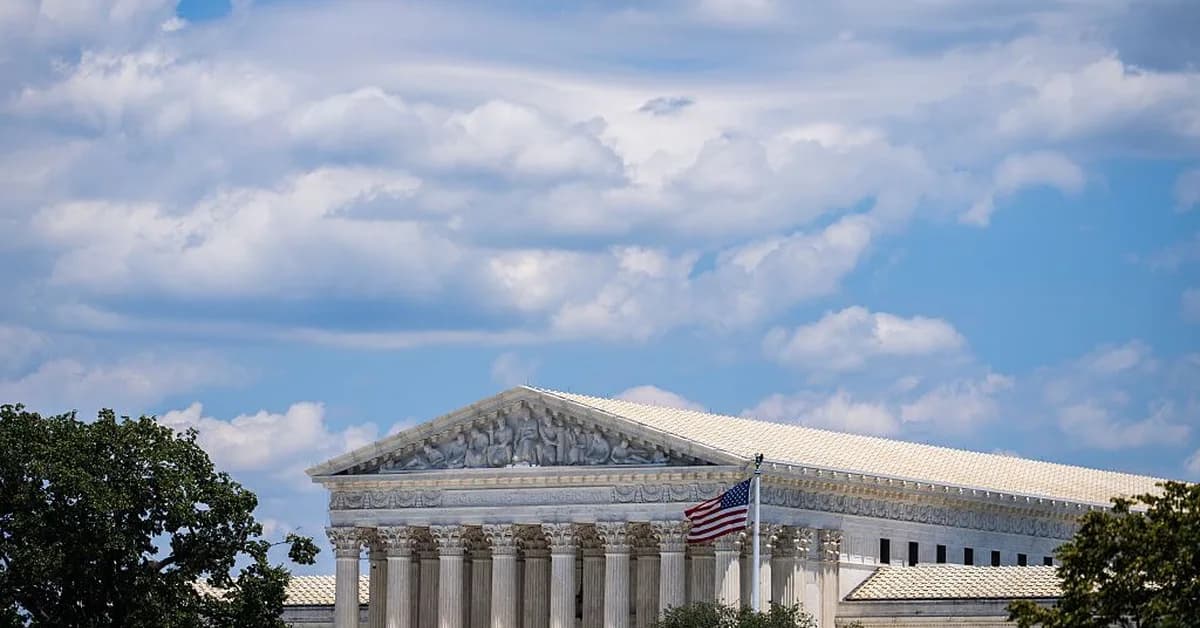
The Supreme Court justices displayed skepticism towards a lower court’s strict rule that penalizes bankruptcy debtors for failing to disclose potential assets, such as in Thomas Keathley's case where he did not report a car accident that could have produced additional funds for creditors. The discussion suggests a likely ruling that would require proof of intent to mislead rather than an absolute standard, indicating a shift towards more equitable treatment under the “judicial estoppel” doctrine. For content creators, this highlights the evolving nature of legal standards and the importance of staying informed about changes in bankruptcy law that could affect reporting and disclosure practices.
Read the full article at SCOTUSblog
Want to create content about this topic? Use Nemati AI tools to generate articles, social posts, and more.