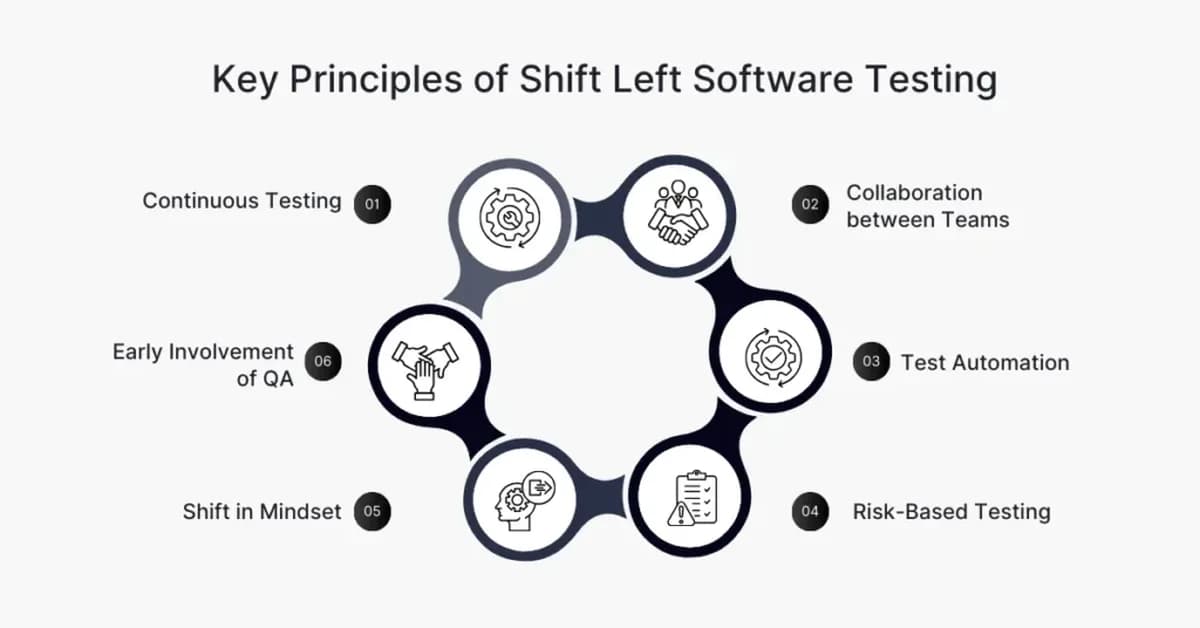
The FAQ section in your document addresses several critical aspects of managing ephemeral Kubernetes environments for testing purposes. Here's an enhanced version with additional context and solutions:
How do I handle secret management in ephemeral environments?
Answer: Don't store secrets directly within your Git repository, even for test environments. Instead, use a dedicated secrets management tool like HashiCorp Vault or AWS Secrets Manager to securely manage and retrieve secrets.
-
HashiCorp Vault: Use the External Secrets Operator (ESO) to fetch secrets from Vault based on environment variables or annotations.
- Define a
SecretStoreat the cluster level pointing to your Vault instance. - Each ephemeral namespace gets an
ExternalSecretobject that retrieves necessary keys based on the PR number or a generic "test" profile.
- Define a
-
AWS Secrets Manager: Similar approach using ESO, where secrets are fetched from AWS Secrets Manager instead of Vault.
Example:
yaml1apiVersion: external-secrets.io/v1beta1 2kind: ExternalSecret 3metadata: 4 name: test-secret 5spec: 6 secretStoreRef: 7 kind: SecretStore 8 name: vault-store 9 refreshInterval: "30s" 10 resourceFetch: 11 12[Read the full article at DEV Community](https://dev.to/devopsstart/kubernetes-test-automation-implementing-a-shift-left-strategy-cao) 13 14--- 15 16**Want to create content about this topic?** [Use Nemati AI tools](https://nemati.ai) to generate articles, social posts, and more.
8
Tags
Contents

Ali NematiWritten by Ali
![[AINews] The Unreasonable Effectiveness of Closing the Loop](/_next/image?url=https%3A%2F%2Fmedia.nemati.ai%2Fmedia%2Fblog%2Fimages%2Farticles%2F600e22851bc7453b.webp&w=3840&q=75)