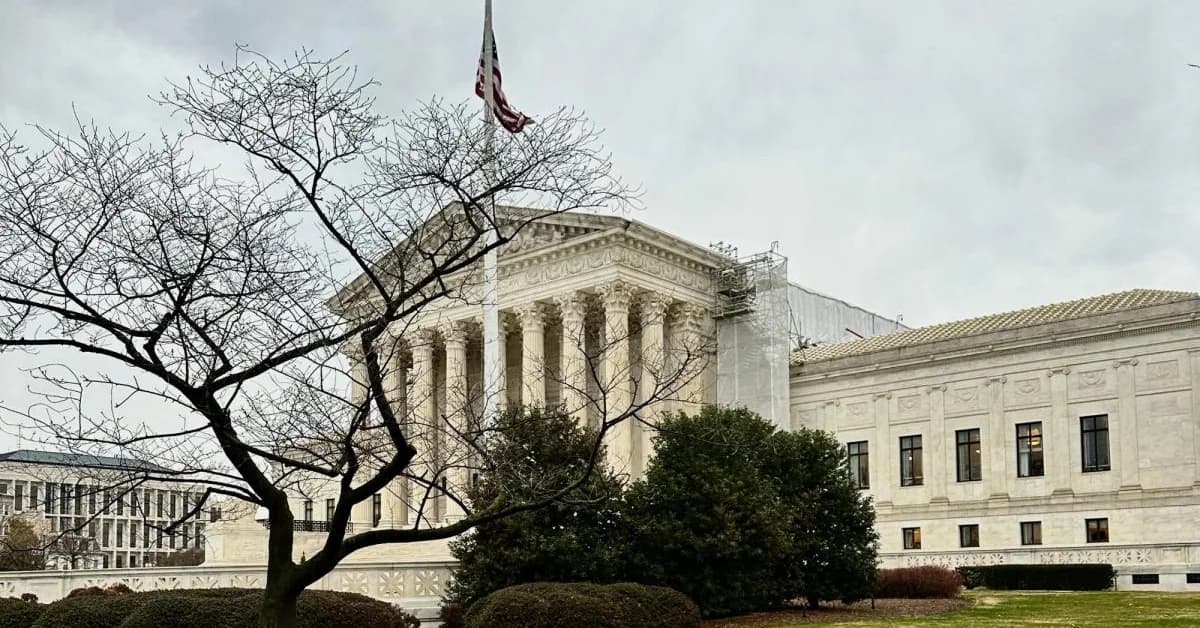
The upcoming oral arguments in several high-profile cases at the U.S. Supreme Court promise to be significant, with implications ranging from privacy rights and technology use to voting laws and election administration. Here’s a summary of three key cases:
1. Chatrie v. United States
- Issue: Whether law enforcement can obtain location data from Google without a warrant that specifies the individuals whose data will be searched.
- Context: Following a bank robbery, investigators obtained a court order to search through Google's vast database of location data for millions of users to identify suspects in a specific area and time. The case raises questions about privacy expectations in the digital age and the application of the Fourth Amendment’s warrant requirement.
- Implications: This case could set important precedents regarding how far law enforcement can go in using technology to gather personal information without violating constitutional protections.
2. Watson v. Republican National Committee
- Issue: Whether federal statutes that specify "election day" as the first Tuesday of November require that mail-in ballots must be received by election day, or if they only need to be cast (mailed) by then.
- Context: Thirty states allow a grace period for counting late-received
Read the full article at SCOTUSblog
Want to create content about this topic? Use Nemati AI tools to generate articles, social posts, and more.
Views0
On this page

alinemati1983-6987BlogUI.author_articles