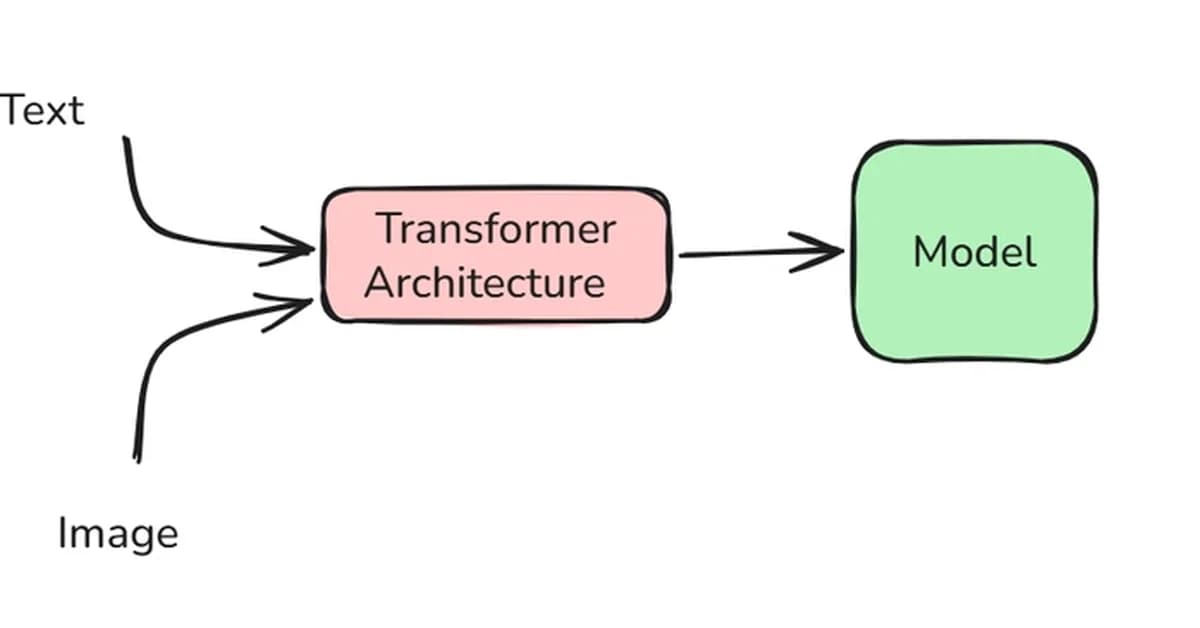
Large language models are fundamentally mathematical equations, represented by adjustable weights that determine their output—essentially predicting the next word in a sequence based on training data and architecture like Transformers. These models, such as GPT or Gemini, require significant computational resources including RAM and CPU to run, with performance scaling relative to the number of parameters (weights) they contain. Understanding concepts like temperature, top-k, and context window is crucial for controlling model behavior and optimizing their application in various tasks.
Read the full article at DEV Community
Want to create content about this topic? Use Nemati AI tools to generate articles, social posts, and more.
Views10

Ali NematiBlogUI.author_articles