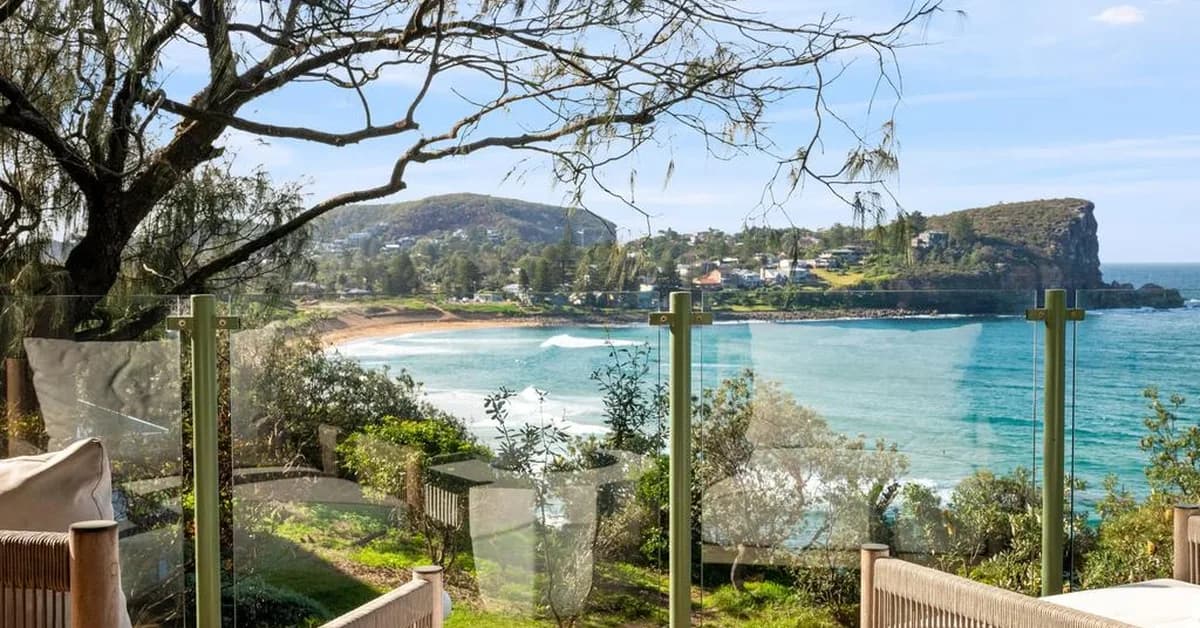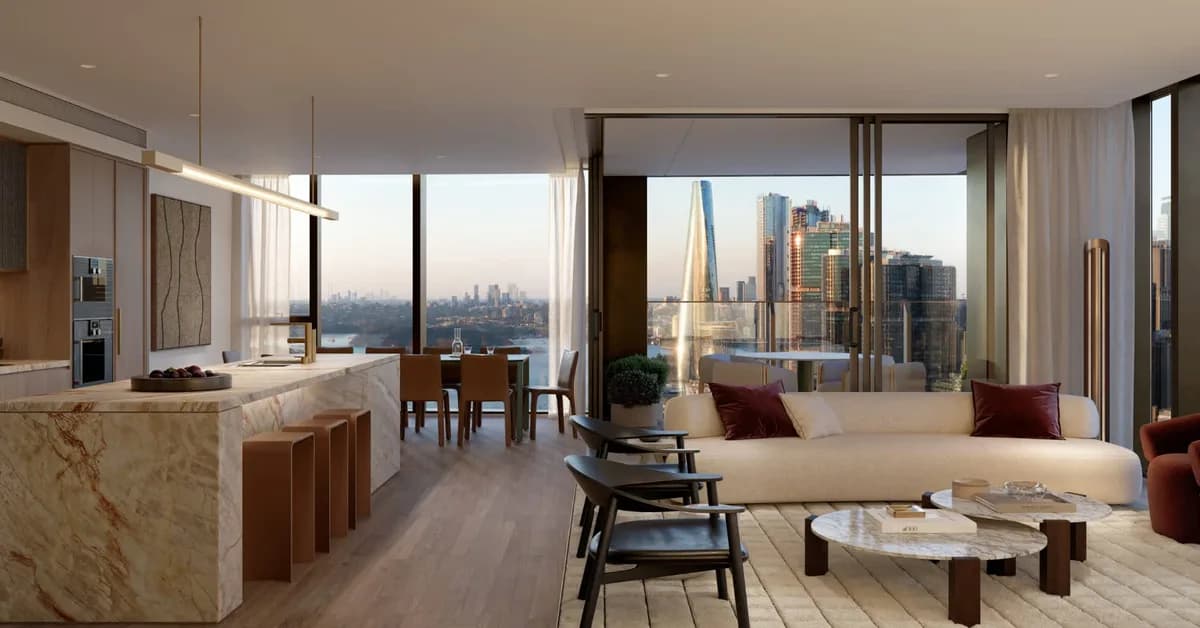
Longevity and wellness have become defining forces in the luxury real estate market, with wellness-related property investments projected to exceed $1.1 trillion by 2029. This shift is significant for developers and planners as affluent buyers increasingly prioritize long-term livability and specialized features that support aging in place. Professionals should also monitor the rising dominance of millennial clients, who now account for more than 66% of luxury home purchases, frequently valuing lifestyle considerations over traditional tax incentives.
Read the full article at HousingWire
Want to create content about this topic? Use Nemati AI tools to generate articles, social posts, and more.
Views189

Ali NematiBlogUI.author_articles