Based on the detailed design and considerations outlined, here's a summary of key takeaways and recommendations for implementing a secure private export system:
-
Design Principles:
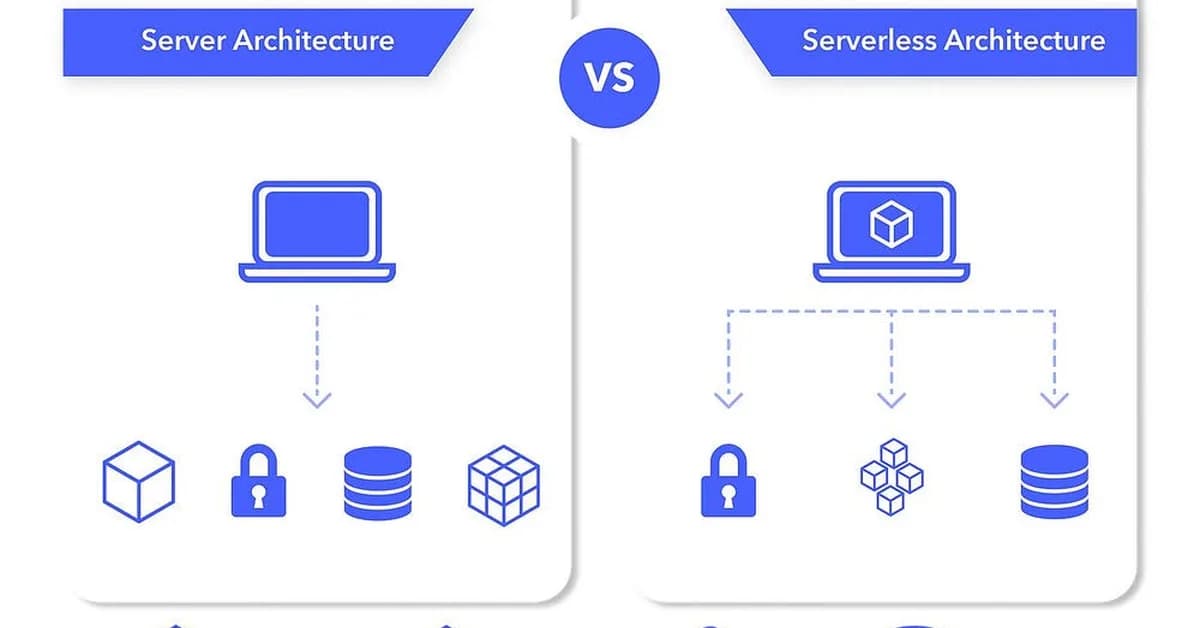
- Use server-side signing to generate short-lived credentials.
- Ensure that access control decisions are made before generating any credential.
- Keep the browser simple by having it download directly from storage using the signed URL.
-
Implementation Steps:
- Implement a transaction boundary where you reserve an idempotency key, perform the authorization decision, and persist the grant atomically in the database.
- Use a dedicated bucket or prefix for exports to simplify lifecycle management and retention policies.
- Ensure that the deletion deadline is stored in the application database and used to reject issuance of new credentials after this time.
-
Storage Options:
- Evaluate options based on your team's standardization needs, governance requirements, and specific feature requirements (e.g., WORM retention).
- Consider Infrai if you want a consistent REST API, consolidated billing, and reduced credential sprawl across services.
- Use direct provider storage solutions like AWS S3, Azure Blob Storage, or Google Cloud Storage for more granular control over features like lifecycle management, version
Read the full article at DEV Community
Want to create content about this topic? Use Nemati AI tools to generate articles, social posts, and more.
Views26

Ali NematiBlogUI.author_articles