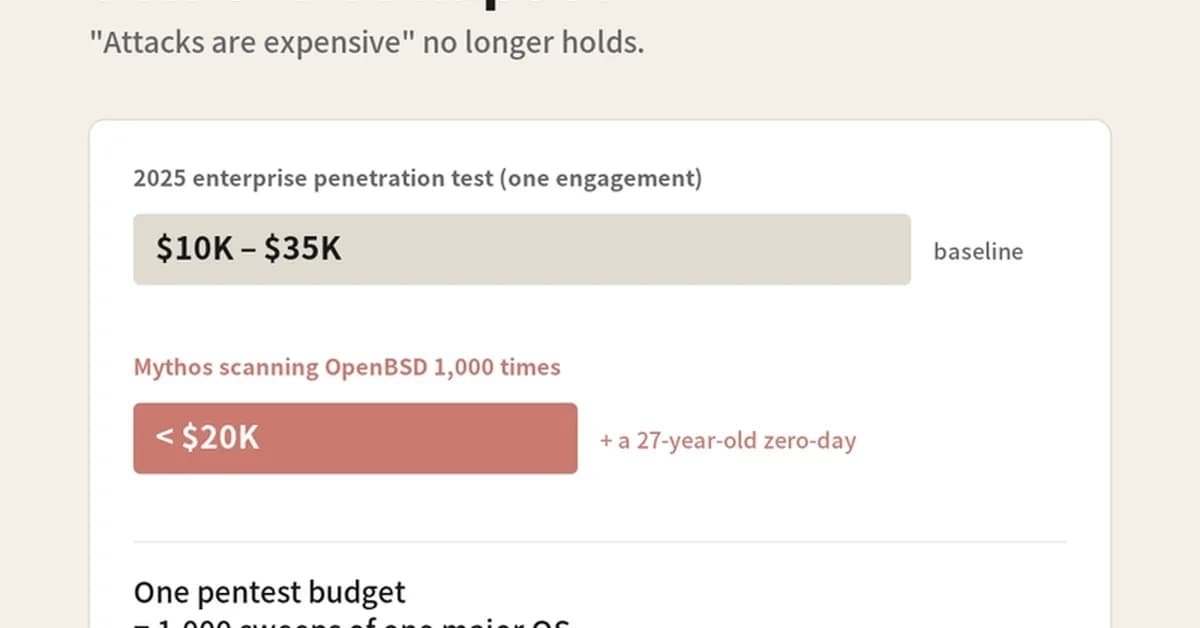
The article discusses several critical shifts and challenges faced by Korean enterprises in the realm of cybersecurity, particularly in light of advancements like AI-driven tools such as Mythos. Here are key points summarized:
-
Mythos-Grade Tooling Asymmetry: The introduction of advanced AI security tools like Mythos has created a significant disparity between those who have access to these sophisticated defenses and those who do not. This asymmetry poses challenges for enterprises that cannot afford or implement such cutting-edge technology.
-
Shifts in Disclosure Requirements: Starting from 2027, Korea's information protection disclosure regime will require companies below certain thresholds to also file their security investments publicly. This change shifts the primary driver of security investment from regulatory compliance to competitive pressure among peers within the same sector.
-
Board Reporting and Communication: Effective communication with corporate boards is crucial for CISOs in Korea. Boards are more interested in risk assessments framed in monetary terms, maturity against recognized standards (like NIST CSF), compliance posture, and supply-chain risk rather than technical jargon like CVEs or MITRE ATT&CK matrices.
-
Dynamic Access Control: Traditional binary access controls are being replaced by dynamic systems that adjust permissions based on real-time
Read the full article at DEV Community
Want to create content about this topic? Use Nemati AI tools to generate articles, social posts, and more.

![[AINews] The Unreasonable Effectiveness of Closing the Loop](/_next/image?url=https%3A%2F%2Fmedia.nemati.ai%2Fmedia%2Fblog%2Fimages%2Farticles%2F600e22851bc7453b.webp&w=3840&q=75)