The document discusses a sophisticated phishing campaign that leverages fake invitation emails to trick users into providing their credentials, OTP codes, and even installing remote access tools (RATs) on their devices. This multi-faceted approach makes it challenging for security teams to detect and mitigate the threat effectively.
Key Components of the Campaign
-
Lure Emails:
- The phishing emails are designed to appear as legitimate invitations or notifications, often related to social media platforms like Instagram.
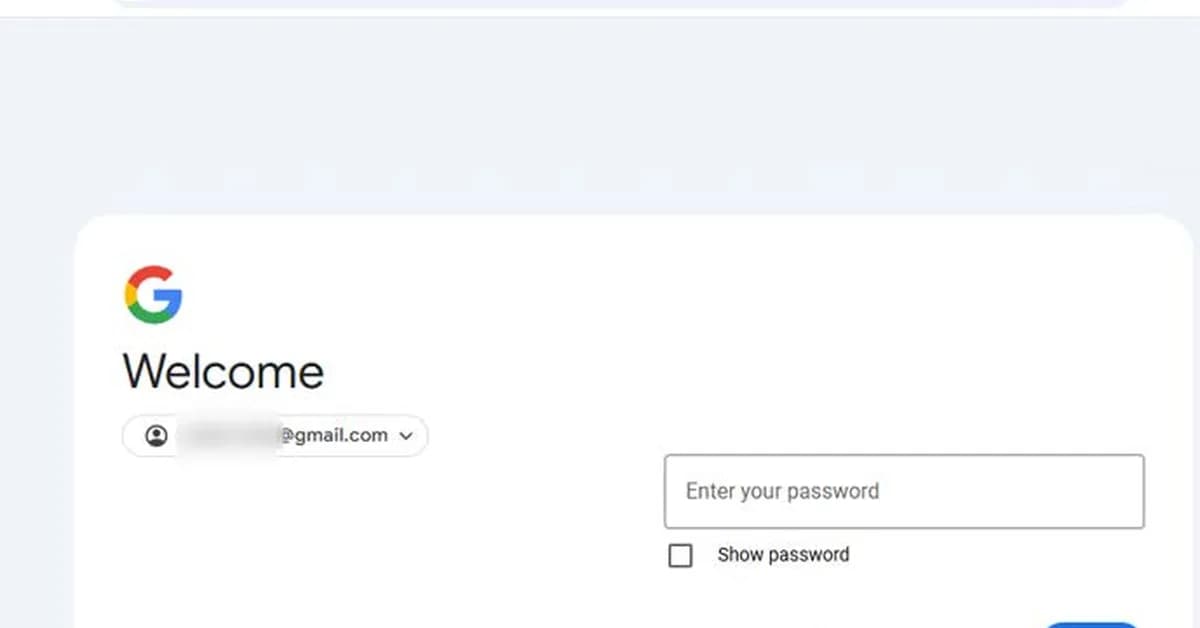
- These emails contain links that direct users to malicious websites disguised as login pages for various services (e.g., Google, Facebook).
-
Phishing Websites:
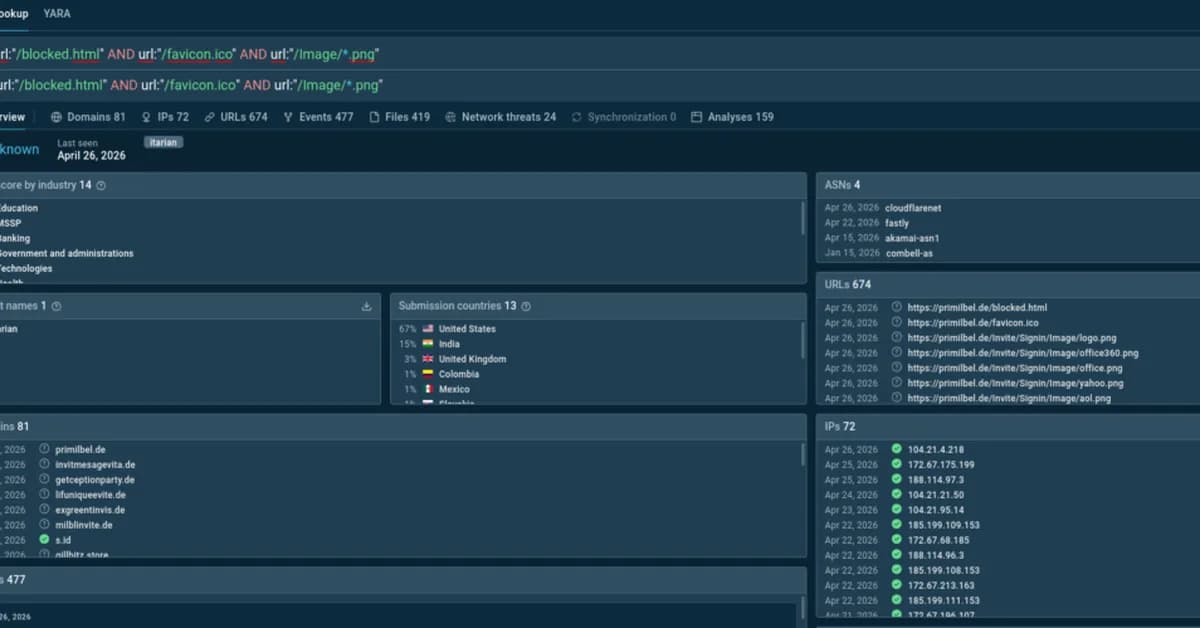
- When a user clicks on the link in the email, they are redirected to a phishing website that mimics legitimate service login pages.
- The site captures credentials and OTP codes from users who attempt to log in.
-
Credential Theft:
- For services other than Google (e.g., Facebook), the phishing page asks for an email address and password.
- After submitting incorrect passwords, it prompts a second entry to ensure accuracy.
- Once submitted, the credentials are sent via POST requests to specific endpoints on the server.
-
**OTP Interception
Read the full article at Malware Analysis, News and Indicators - Latest topics
Want to create content about this topic? Use Nemati AI tools to generate articles, social posts, and more.
146
Contents

Ali NematiWritten by Ali