Overview of DeerFlow Architecture and Key Features
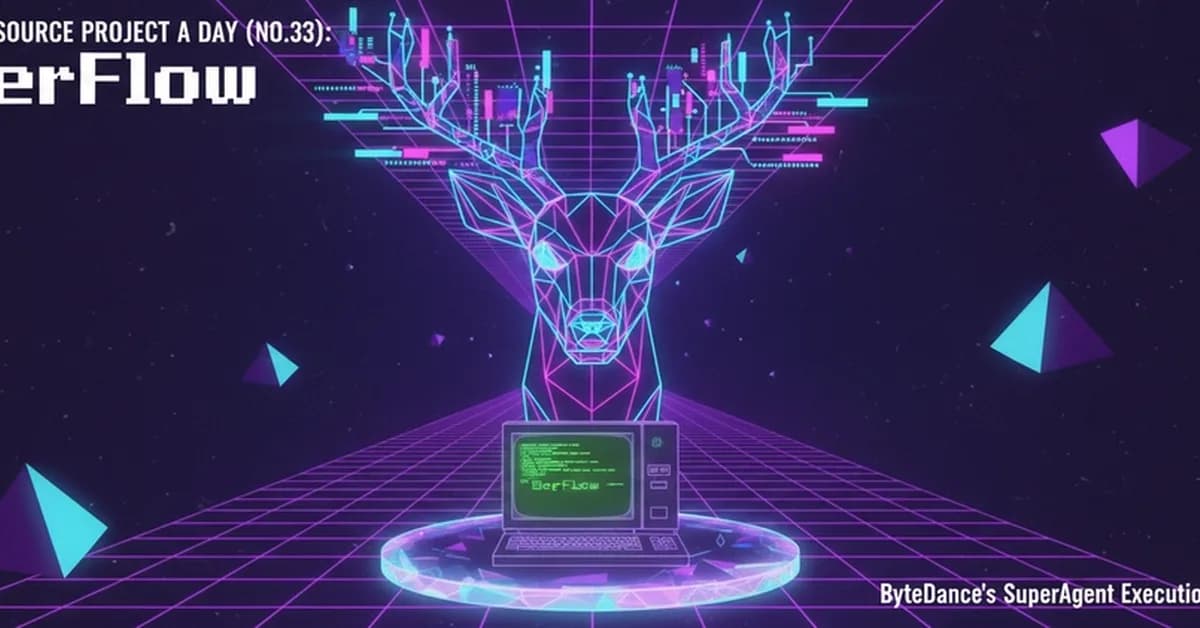
DeerFlow is a sophisticated framework designed to orchestrate complex tasks through an agent-based system, leveraging advanced technologies such as LangGraph for task management and Docker sandboxes for secure execution. This document provides an in-depth look at the architecture and key features that make DeerFlow unique.
1. Architecture Overview
1.1 System Components
- LangGraph: Directed Acyclic Graph (DAG) engine used to manage tasks, ensuring clear visualization of task dependencies.
- Skills as Markdown Files: A system for defining agent capabilities using plain text files, lowering the barrier to entry for non-engineers.
- Agent Roles:
- Lead Agent: Responsible for planning and orchestrating sub-tasks.
- Researcher Agent: Conducts deep research and data collection.
- Coder Agent: Executes code within a sandboxed environment.
- Reporter Agent: Synthesizes findings into structured reports.
1.2 Workflow Execution
- Tasks are broken down into smaller, manageable units (sub-tasks) that can be executed in parallel or sequentially based on dependencies.
- Each agent operates independently but communicates with the LangGraph engine to coordinate
Read the full article at DEV Community
Want to create content about this topic? Use Nemati AI tools to generate articles, social posts, and more.
Views319
On this page

Ali NematiBlogUI.author_articles