The projects you've described are indeed useful for small-scale events or personal entertainment, but they do come with limitations that make them unsuitable for more serious applications like regulated lotteries or multiplayer games on the internet. Let's break down these limitations and discuss potential improvements:
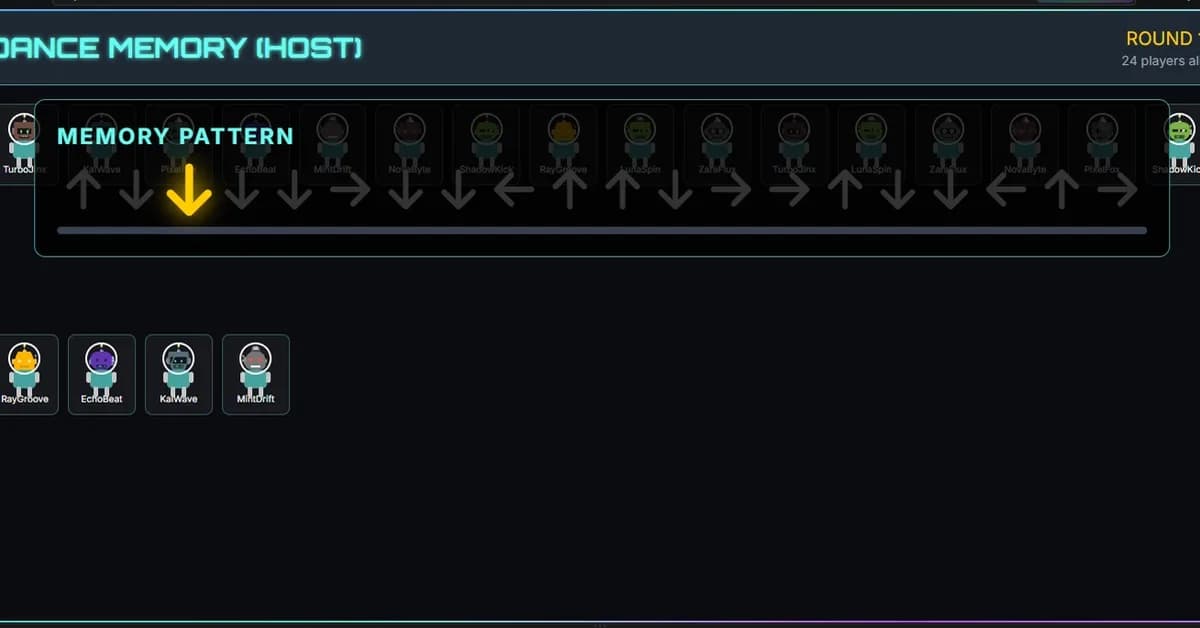
Multiplayer Game
Limitations:
- Single Process Storage: All game state is stored in memory within a single process, which means any server restart would clear all data.
- Security Concerns:
- No authentication or user verification.
- No HTTPS encryption for secure communication.
- Lack of rate limiting to prevent abuse.
- Input Validation: User inputs are not validated, making the system vulnerable to injection attacks and other security issues.
Improvements:
- Database Integration: Use a database (e.g., MongoDB, PostgreSQL) to persist game state across server restarts.
- Authentication:
- Implement user authentication using OAuth or JWT tokens.
- Store user data securely in the database.
- Security Measures:
- Enable HTTPS for secure connections.
- Implement rate limiting and input validation to prevent abuse.
Lottery Game
Limitations:
- Randomness: Uses
Read the full article at DEV Community
Want to create content about this topic? Use Nemati AI tools to generate articles, social posts, and more.
Views22
On this page

Ali NematiBlogUI.author_articles