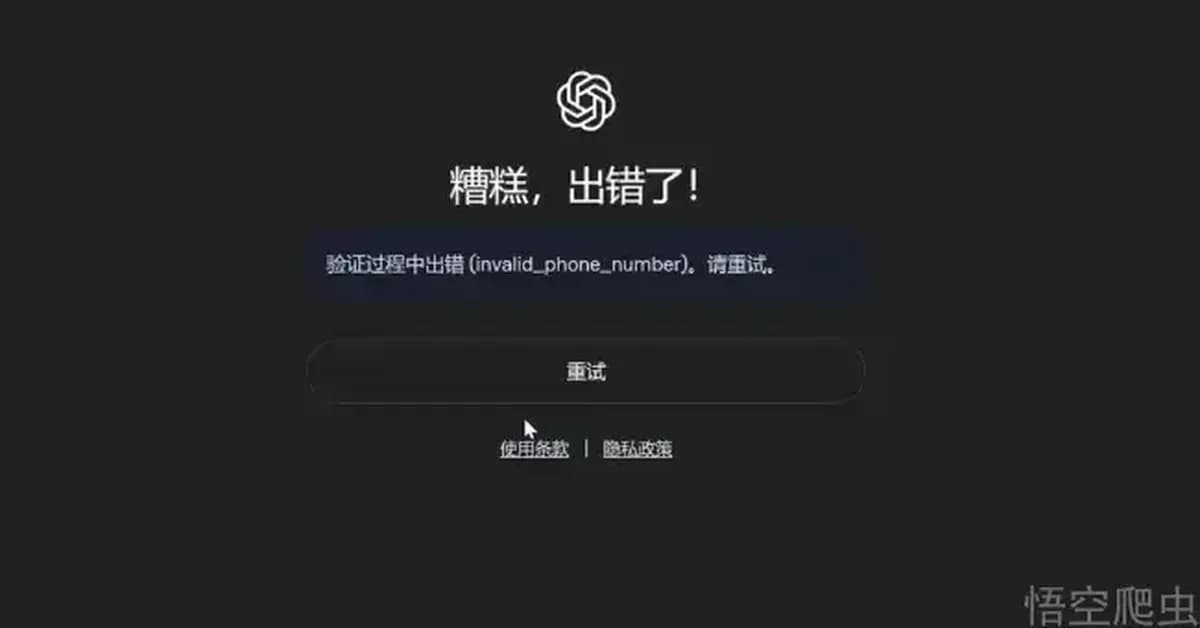
OpenAI has implemented stricter verification measures, requiring users to provide government-issued IDs and undergo real-time selfie authentication to register stable API accounts. This move blocks many domestic developers from accessing these services easily.
The recent actions by OpenAI and its competitor Anthropic reflect a broader trend towards tightening risk controls, including account bans and stringent real-name verification (KYC) processes. These changes not only disrupt the operations of relay stations but also create significant anxiety among developers who rely on such services for their projects.
Relay stations, which have thrived in the absence of strict regulations, now face an uncertain future as these new measures take effect. Developers are left with a precarious situation where service interruptions can occur at any moment due to tightened access controls and verification requirements.
The impact is particularly felt by students, indie developers, and micro-entrepreneurs who were using relay stations to test demos or build niche AI applications. These users, while not the initiators of the industry chain, are among the most affected when the "Tragedy of the Commons" occurs due to widespread abuse.
As OpenAI continues to close off access points, developers are being forced to confront a critical question: should they continue searching for loopholes in these systems or invest in developing
Read the full article at DEV Community
Want to create content about this topic? Use Nemati AI tools to generate articles, social posts, and more.

![[AINews] The Unreasonable Effectiveness of Closing the Loop](/_next/image?url=https%3A%2F%2Fmedia.nemati.ai%2Fmedia%2Fblog%2Fimages%2Farticles%2F600e22851bc7453b.webp&w=3840&q=75)