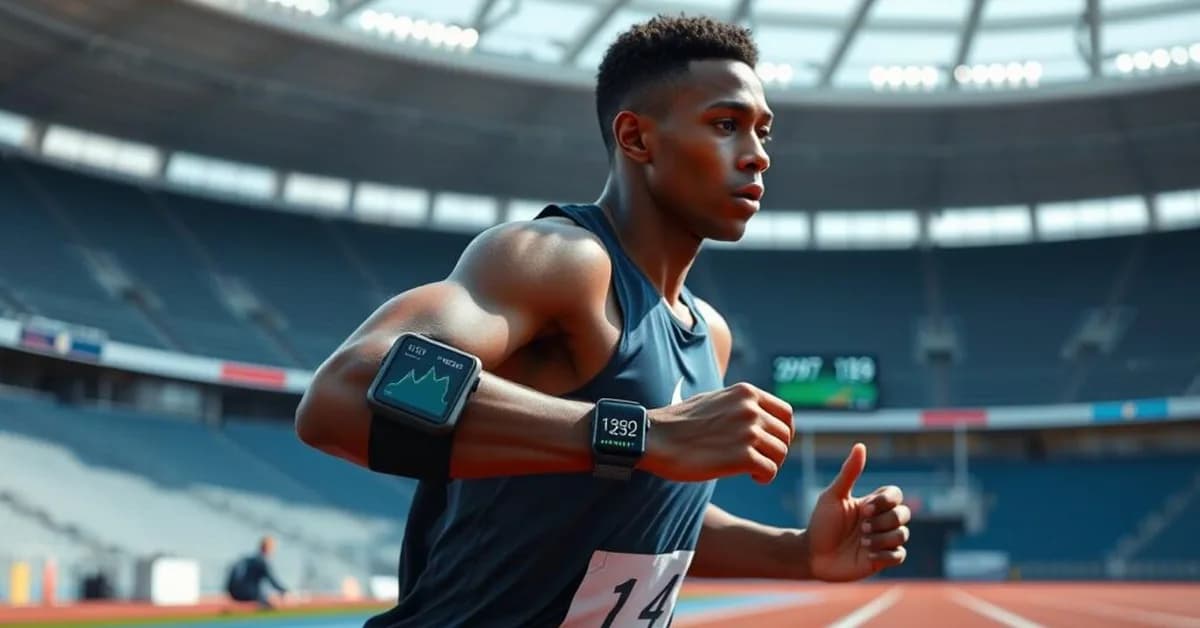
Professional athletes face escalating privacy threats from wearables, as coaches gain access to intimate biometric data like sleep patterns and heart rate—information that can reveal personal behavior or be commercialized for sports gambling. This matters because leagues view biometric data as a revenue opportunity while teams could weaponize it in contract negotiations or to identify injury risks. Current safeguards remain largely absent, leaving aging and injured players especially vulnerable.
Read the full article at Schneier on Security
Want to create content about this topic? Use Nemati AI tools to generate articles, social posts, and more.
Views237

Ali NematiBlogUI.author_articles