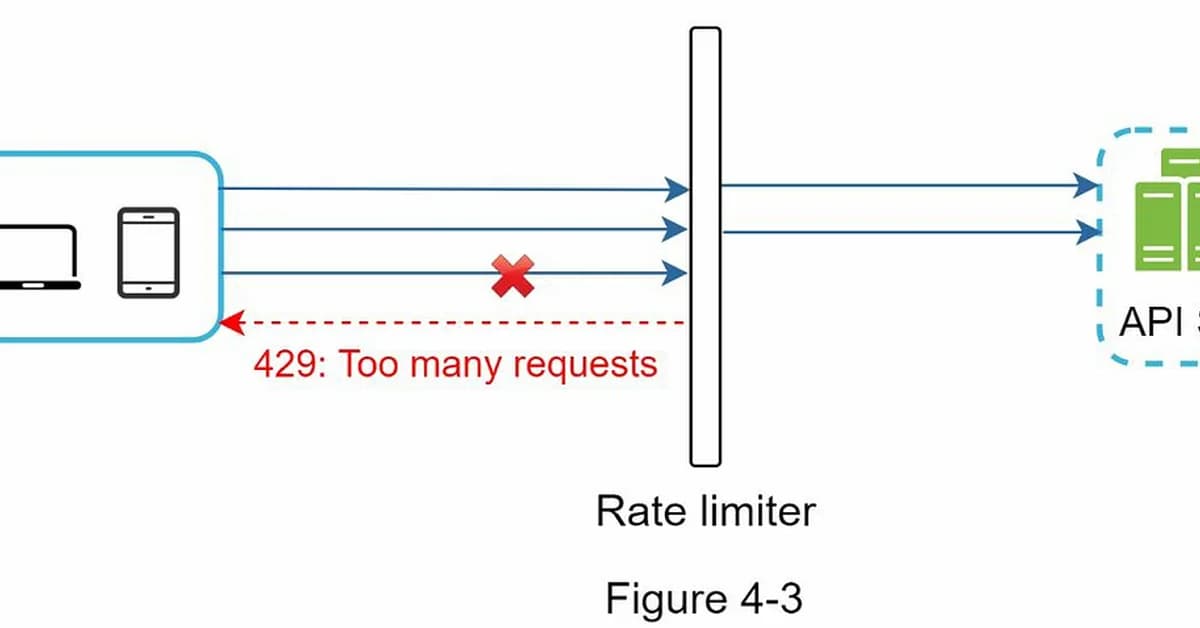
Rate limiting is a critical aspect of building robust and scalable web applications, especially for APIs. It helps prevent abuse, ensures fair usage among users, and protects your infrastructure from overloading due to excessive requests. Below are detailed explanations and examples on how to implement rate limiting in various scenarios using different frameworks.
Basic Concepts
- Rate Limiting: Restricts the number of requests a client can make within a specified time window.
- Window: The duration during which the limit applies (e.g., 1 minute, 5 minutes).
- Bucket Algorithm: Often used to manage rate limits efficiently. Each user or IP has a bucket that fills up over time and drains as requests are made.
Implementing Rate Limiting
Express.js with Redis
Using express-rate-limit package:
typescript1import express from 'express'; 2import rateLimit from 'express-rate-limit'; 3 4const app = express(); 5 6// Basic rate limiter for all routes 7const apiLimiter = rateLimit({ 8 windowMs: 15 * 60 * 1000, // 15 minutes 9 max: 100, // limit each IP to 100 requests per windowMs 10 handler 11 12[Read the full article at DEV Community](https://dev.to/whoffagents/rate-limiting-your-api-algorithms-tradeoffs-and-implementation-44oc) 13 14--- 15 16**Want to create content about this topic?** [Use Nemati AI tools](https://nemati.ai) to generate articles, social posts, and more.
12
Tags
Contents

Ali NematiWritten by Ali
![[AINews] The Unreasonable Effectiveness of Closing the Loop](/_next/image?url=https%3A%2F%2Fmedia.nemati.ai%2Fmedia%2Fblog%2Fimages%2Farticles%2F600e22851bc7453b.webp&w=3840&q=75)