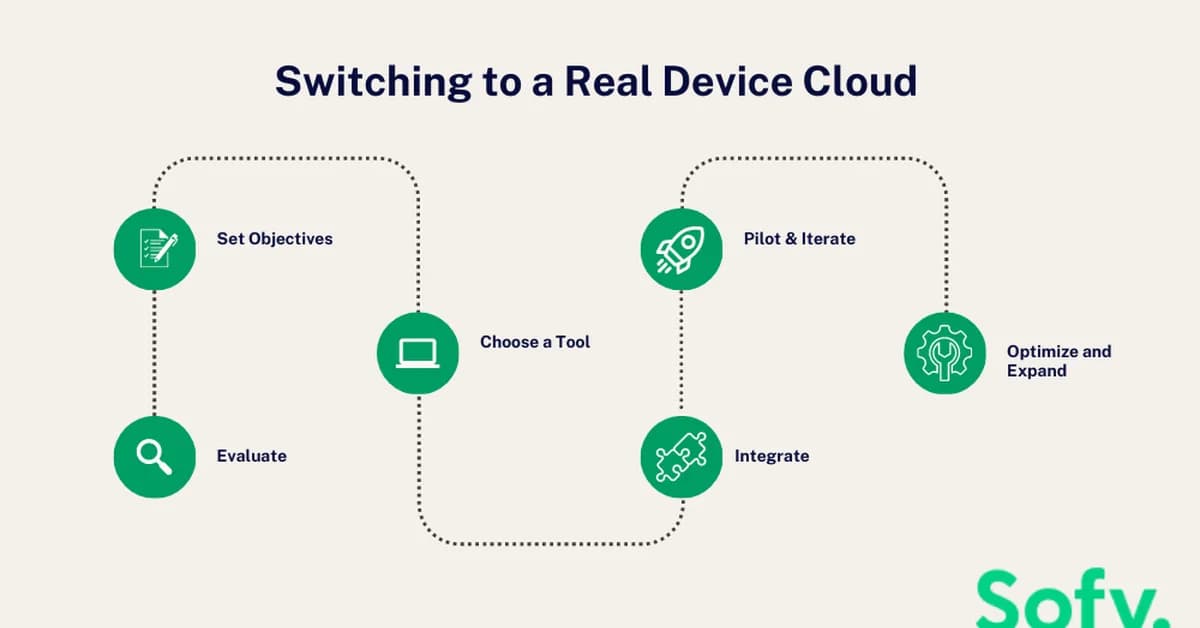
If you are setting up a testing environment for mobile applications, it's crucial to understand when to use emulators and when to rely on real devices. Here’s a summary of key points from the provided content:
Key Points
-
Development Speed vs Accuracy:
- Use emulators for development speed and logic tests.
- Use real devices where hardware fidelity is critical.
-
Testing Types:
- Unit/Logic Tests: Emulators are sufficient here as they focus on code correctness rather than hardware interaction.
- UI Smoke Tests (Development): Can be done with emulators for quick checks, but using real devices can provide additional assurance.
- Hardware Sensor Tests: Must use real devices to ensure sensors like GPS and accelerometer work correctly.
- OEM-Specific UI Tests: Real devices are necessary as OEMs often have unique UI elements that cannot be replicated in an emulator.
- Release Regression Suite: Should be run on real devices to catch issues related to hardware variations across different models.
- Payment/Auth Flows: Critical for security and user experience, so test these on real devices.
- Network Condition Tests: Real devices are essential as they provide realistic
Read the full article at DEV Community
Want to create content about this topic? Use Nemati AI tools to generate articles, social posts, and more.
30
Contents

Ali NematiWritten by Ali
![[AINews] The Unreasonable Effectiveness of Closing the Loop](/_next/image?url=https%3A%2F%2Fmedia.nemati.ai%2Fmedia%2Fblog%2Fimages%2Farticles%2F600e22851bc7453b.webp&w=3840&q=75)