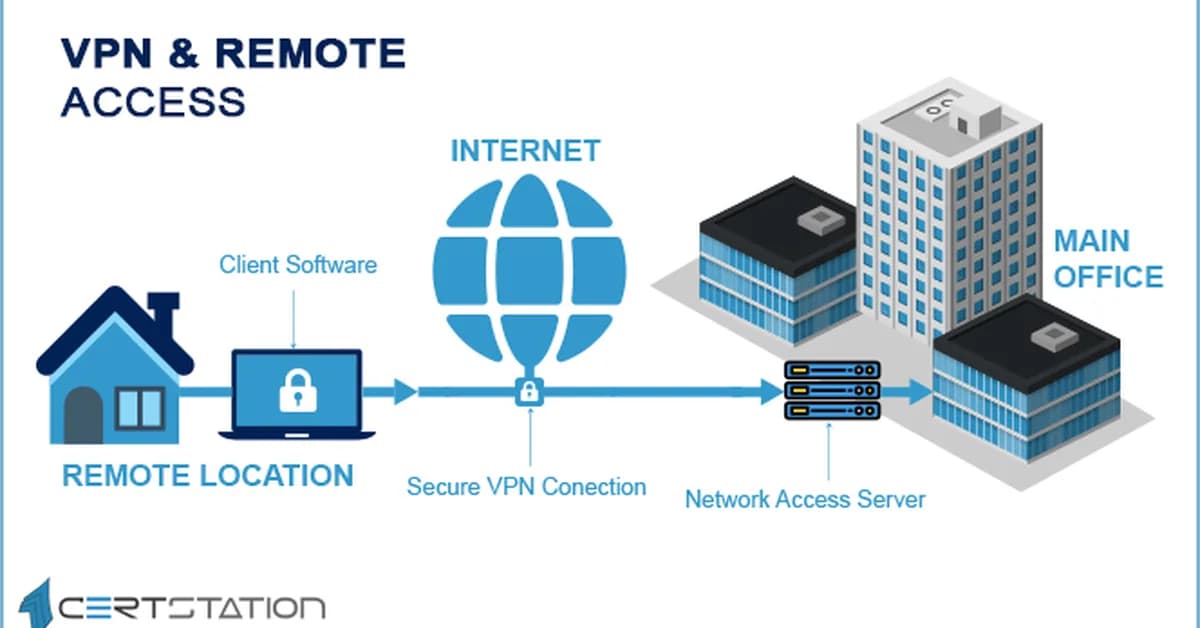
Secure remote access is critical in today's digital landscape, but implementing it correctly can be challenging. According to Truesec’s insights, on-demand Remote Access Virtual Private Networks (VPN) are often misconfigured and pose significant security risks. Instead, an always-on VPN without split tunneling is recommended as it ensures all traffic passes through the organization’s network, allowing for better firewall protection and data leakage prevention.
When choosing between SSLVPN and IPsec, Truesec advises opting for IPsec due to its open standards and vendor interoperability, unlike proprietary SSLVPN solutions. Additionally, major vendors such as Fortinet and Cisco are phasing out SSLVPN support, further reinforcing the recommendation for IPsec adoption.
Geofencing is another crucial aspect of secure remote access. By restricting VPN connections to specific geographic locations, organizations can significantly reduce the risk of unauthorized access attempts. This measure also helps in hiding the presence of a VPN server from potential attackers, thereby enhancing overall security posture.
Authentication methods should be robust and multi-factor, ensuring that only authorized users gain access. Implementing these best practices will help mitigate common vulnerabilities associated with Remote Access VPNs, thereby safeguarding sensitive corporate data and networks against unauthorized access and cyber threats.
Read the full article at Malware Analysis, News and Indicators - Latest topics
Want to create content about this topic? Use Nemati AI tools to generate articles, social posts, and more.

![[AINews] The Unreasonable Effectiveness of Closing the Loop](/_next/image?url=https%3A%2F%2Fmedia.nemati.ai%2Fmedia%2Fblog%2Fimages%2Farticles%2F600e22851bc7453b.webp&w=3840&q=75)