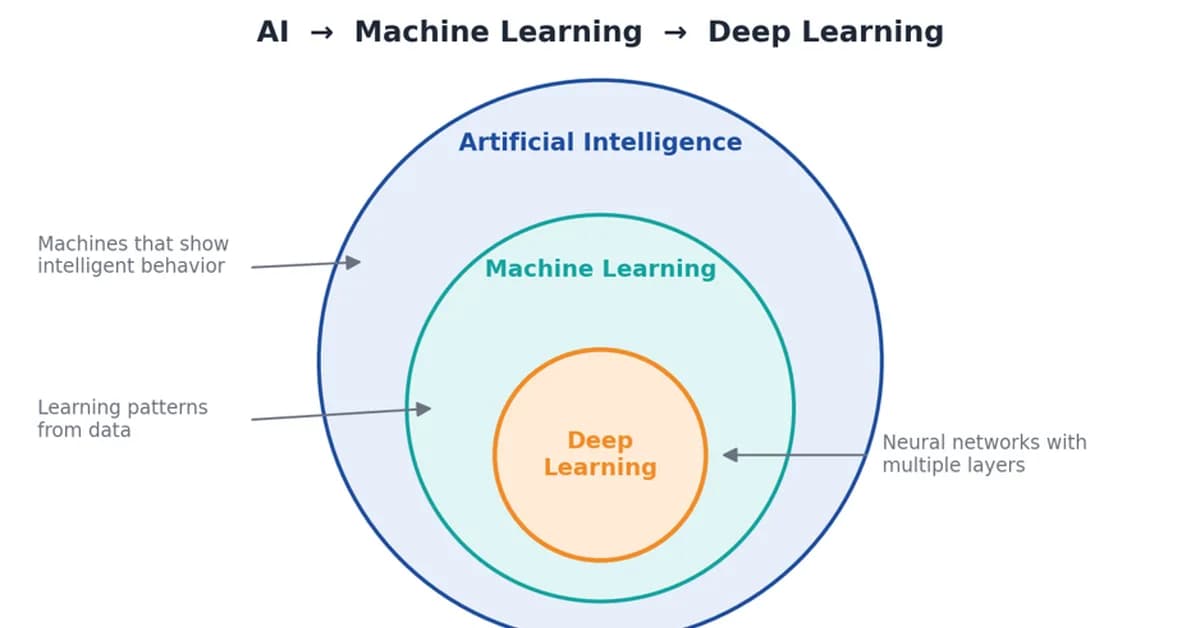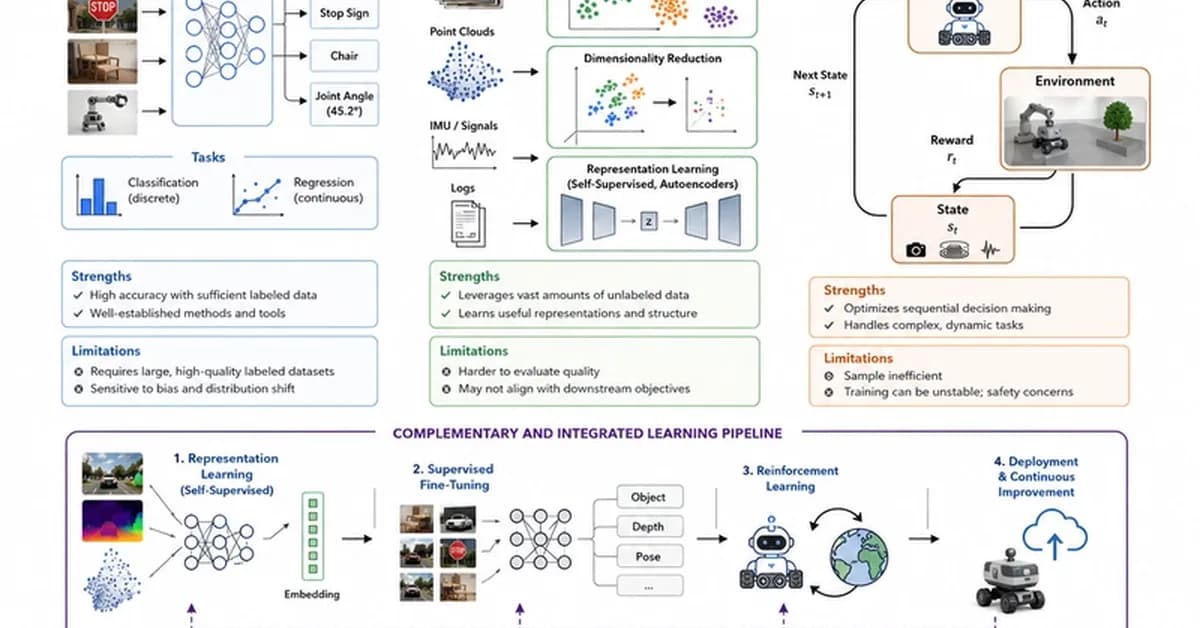
Generalization theory explains how machine learning models maintain stability on unseen data by balancing bias and variance to minimize prediction errors. This balance is critical for physical AI systems like robots, which must adapt to unpredictable real-world environments rather than just memorizing training patterns. Techniques such as regularization, data augmentation, transfer learning, and cross-validation are essential strategies to ensure these autonomous agents remain safe and effective across diverse scenarios.
Read the full article at DEV Community
Want to create content about this topic? Use Nemati AI tools to generate articles, social posts, and more.
Views271

Ali NematiBlogUI.author_articles