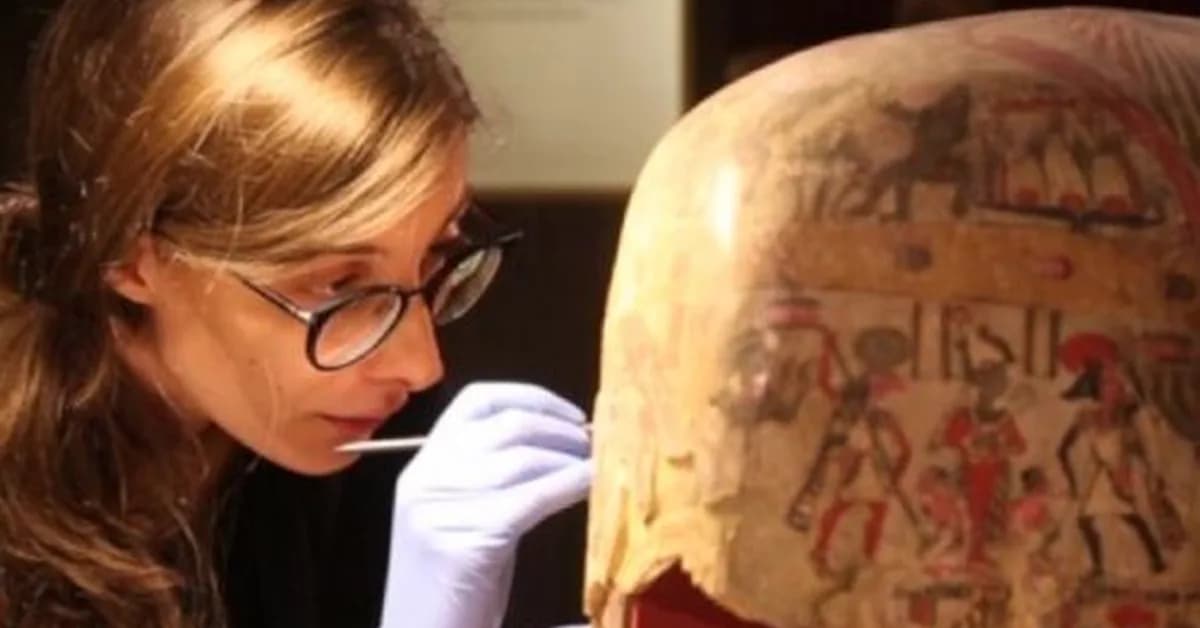
Scientists have recently employed proteomics, a sophisticated analysis technique, to identify the organic components within ancient Egyptian adhesives and glues. This breakthrough allows researchers to understand the materials used in artifact construction without causing damage through sampling, which is significant for preserving fragile historical objects. The discovery of plant proteins from sesame and moringa trees offers new insights into the resourcefulness and material science practices of ancient Egyptians, potentially impacting our understanding of their artistic processes and trade networks.
Read the full article at Ars Technica
Want to create content about this topic? Use Nemati AI tools to generate articles, social posts, and more.